Barley: what the evidence says

Latin name: Hordeum vulgare Barley is a grain eaten in many countries, in packaged foods and soups. Malt extract from barley is used to make beer, and a sweetener called malt sugar is also made from it. Most studies have used foods containing barley rather than barley alone. Studies suggest barley may help lower blood […]

Read more
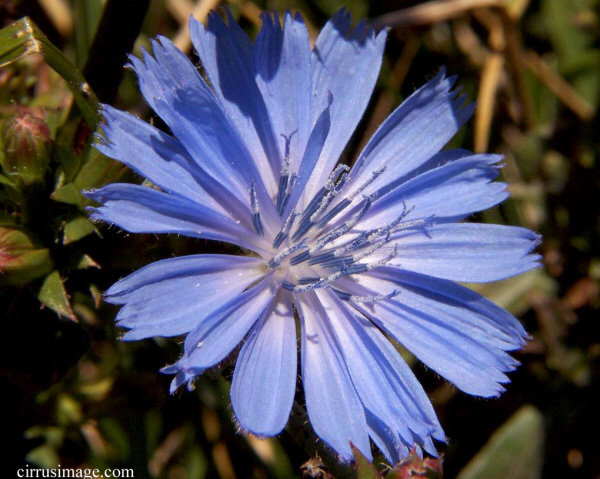
Medicinal plants: wild chicory

Medicinal plants: wild chicory

Latin name: Cichorium intybus, of the daisy family (Asteraceae) A herb 35 to 100 cm tall, with wild and cultivated varieties, growing by roadsides and on waste ground. It has a thick taproot, a hairy, hollow, sparsely leaved stem, rough, deeply toothed basal leaves in a rosette, and sky-blue flowers from June to July (they […]

Read more
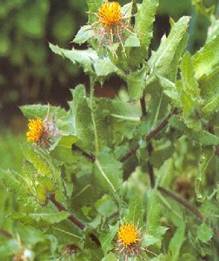
Medicinal plants: blessed thistle

Medicinal plants: blessed thistle

Latin name: Cnicus benedictus Found in fields, farms and meadows, this herb grows about 40 cm tall. Its long, stalkless leaves are toothed and spiny, covered with cobweb-like hairs, and its pale yellow flowers are almost round. Parts used The leaves (May to July), the flowering shoot tips (June and July) and the whole herb. […]

Read more
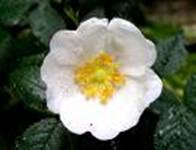
Medicinal plants: dog rose

Medicinal plants: dog rose

Latin name: Rosa canina, of the rose family (Rosaceae) A deciduous shrub, 1 to 3 m tall, common in hedges, at woodland edges and on scrubby slopes. Its arching stems carry strong hooked thorns, its leaves have 3 or 5 toothed oval leaflets, and from June to July it bears single white or pale pink, […]

Read more
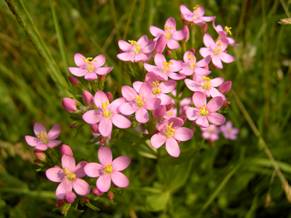
Medicinal plants: common centaury

Medicinal plants: common centaury

Latin name: Centaurium erythraea, of the gentian family (Gentianaceae) A wild herb of sandy ground, woods and light scrub, 20 to 40 cm tall, with an upright, square stem branching at the top, narrow oval leaves growing straight from the stem in opposite pairs, and star-shaped pink flowers from July to September. It has long […]

Read more

Medicinal plants: celery

Latin name: Apium graveolens, of the carrot family (Apiaceae) A biennial (sometimes perennial) cultivated herb, 50 to 100 cm tall. In its first year it forms a rosette of leaves 30 to 50 cm tall; in the second it sends up a flowering stem up to 1 m. The leaves are toothed and divided like […]

Read more
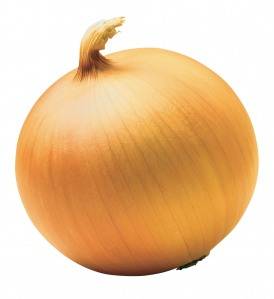
Medicinal plants: onion

Medicinal plants: onion

A vegetable of the lily family, in white and red varieties, used since ancient times for cooking and medicine. It is eaten raw and cooked. Raw onion is believed to help lower blood cholesterol and may play a part in preventing some cancers. It contains a substance that thins the blood, which may help people […]

Read more
Medicinal plants: saffron

Medicinal plants: saffron

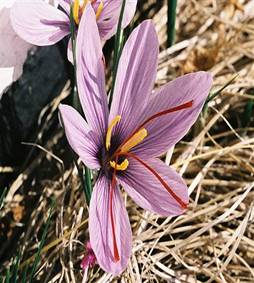
Latin name: Crocus sativus, of the iris family (Iridaceae) A slow-growing perennial bulb plant, 30 to 50 cm tall, with small corms and narrow green leaves. It flowers in autumn (September to December), producing a few violet flowers. Each flower has a long, thread-like pale yellow style ending in a three-lobed, reddish-purple stigma. The stigmas […]

Read more
Medicinal plants: clove

Medicinal plants: clove

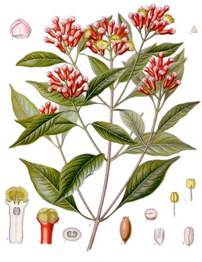
Latin name: Syzygium aromaticum An evergreen tree up to 12 m tall, with oval leaves with smooth edges. The flowers grow in clusters and turn brown as they ripen; they are nail-shaped, with overlapping petals curled into a ball. The mature flower buds are the source of clove oil. It is native to hot regions, […]

Read more
Medicinal plants: sweet violet

Medicinal plants: sweet violet

Latin name: Viola, of the violet family (Violaceae) A perennial plant that lives in sunny fields and on walls up to about 1,100 m, with many species. It is grown for decoration, for its lovely scent and for its precious perfume. It grows 10 to 20 cm tall, with fragrant dark blue flowers on a […]

Read more
Medicinal plants: carrot

Medicinal plants: carrot

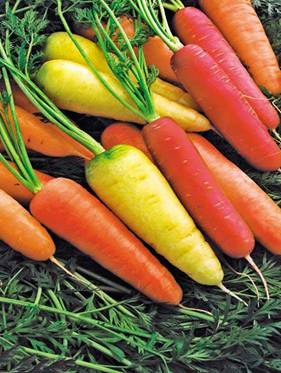
Latin name: Daucus carota, of the carrot family (Apiaceae) The carrot is one of the richest plants in carotene, which the body turns into vitamin A, which nourishes our skin. That is why carrot goes into many creams and face masks, and why eating carrots helps keep the skin supple and smooth. For a carrot […]

Read more