The health benefits of chrysanthemum

The health benefits of chrysanthemum

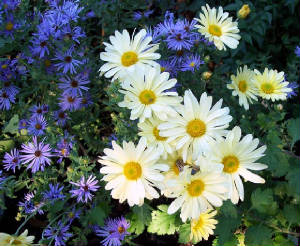
Chrysanthemum flowers are used for skin problems, wounds, varicose veins, ulcers, burns and watery eyes, and as a mild laxative and painkiller. Boiled, the infusion is used for colic, colds, coughs, and complaints of the stomach, digestive system, liver, kidneys and bladder. Family: Asteraceae. Scientific name: Chrysanthemum morifolium. In folk tradition the name is also […]

Read more


Strawberry allergy

Strawberry allergy

Strawberries are among the best-loved fruits: their bright colour and their mix of sweet and sour make them one of the tastiest. But did you know that they can cause allergies in some people? Let us take a closer look. It was recently found that red strawberries cause allergy while white strawberries do not, because […]

Read more
Alternative medicine can be dangerous for children

Alternative medicine can be dangerous for children

New research suggests that using alternative medicine or homeopathy instead of conventional medicines for children can, in some cases, have fatal side effects. Paediatricians in Australia looked for possible side effects of alternative treatments, including herbal medicines, vitamin supplements and natural pills, between 2001 and 2003. They found 39 reports of side effects, including 4 […]

Read more
Southernwood (Artemisia abrotanum)

Southernwood (Artemisia abrotanum)

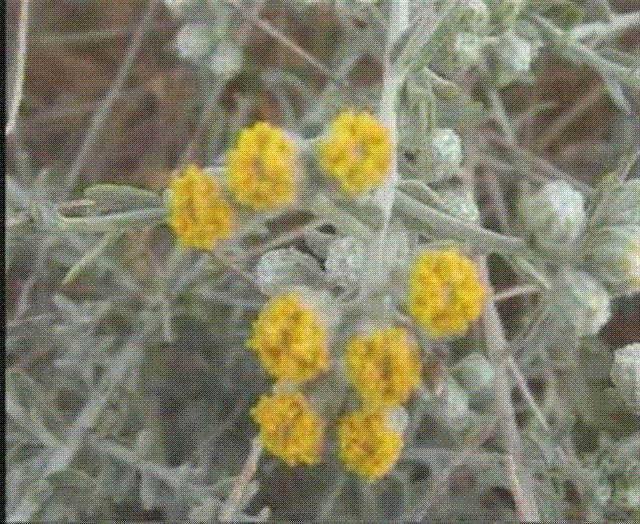
Southernwood (Artemisia abrotanum) is a medicinal herb grown as a strong seasoning with a taste reminiscent of wormwood. It is a medium-sized herb about a metre tall with long, narrow, branching leaves and a lemony scent. Its small yellow flowers open in July and August. The leaves and flowers are used fresh or dried and […]

Read more
Medicinal plants: stinging nettle

Medicinal plants: stinging nettle

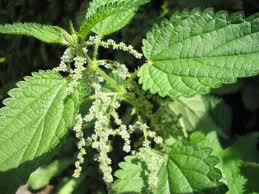
Latin name: Urtica dioica A herb of the nettle family. Its stinging hairs break off in the skin when touched and release a burning juice that hurts the hand. The plant grows almost everywhere, especially near places where animals urinate. It is a perennial herb found in many countries, originally from Asia and Europe. There […]

Read more
Medicinal plants: marjoram

Medicinal plants: marjoram

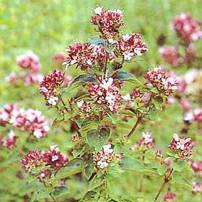
Latin name: Origanum majorana, of the mint family (Lamiaceae) A perennial herb 30 to 60 cm tall, growing in moist and semi-dry mountain land. It is native to North Africa and southern Europe and is now grown in most warm and temperate places. It grows on sunny slopes, in meadows and fields and on stony […]

Read more
Medicinal plants: globe artichoke

Medicinal plants: globe artichoke

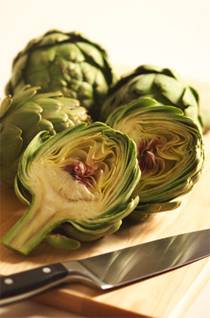
Native to North Africa, where it grows wild in the desert, the artichoke is an important vegetable that has been grown in southern Europe for 2,000 years. Galen wrote that its root, boiled, increases urine a lot, and al-Razi said it increases urine more than asparagus and helps asthma and cough when boiled. The flower […]

Read more
Medicinal plants: sorrel

Medicinal plants: sorrel

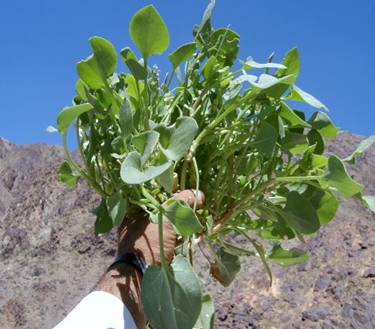
Sorrel has a refreshing, sour taste with a slight bitterness and is very rich in vitamin C. It grows wild and is also cultivated; a home kitchen needs no more than 3 or 4 plants. Growing it Divide clumps from plants 3 or 4 years old in April, or sow the seed in April in […]

Read more

Medicinal plants: apple

Latin name: Malus sylvestris, of the rose family (Rosaceae) The plant The apple tree is deciduous, with simple clusters of flowers. It is grown widely in temperate regions around the world, and more than 1,000 varieties are known. History The apple has long been valued as food. Folk medicine has used it for cancer, diabetes, […]

Read more
Medicinal plants: arnica

Medicinal plants: arnica

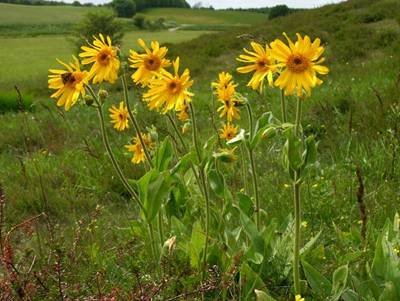
Latin name: Arnica montana Found in sandy fields and on mountain slopes, especially in high forests and plateaus. It grows 30 to 50 cm tall, with a hairy stem, a rosette of large oval leaves at its base, and large, round, orange flowers. Its roots spread sideways and are dark brown or black, and the […]

Read more