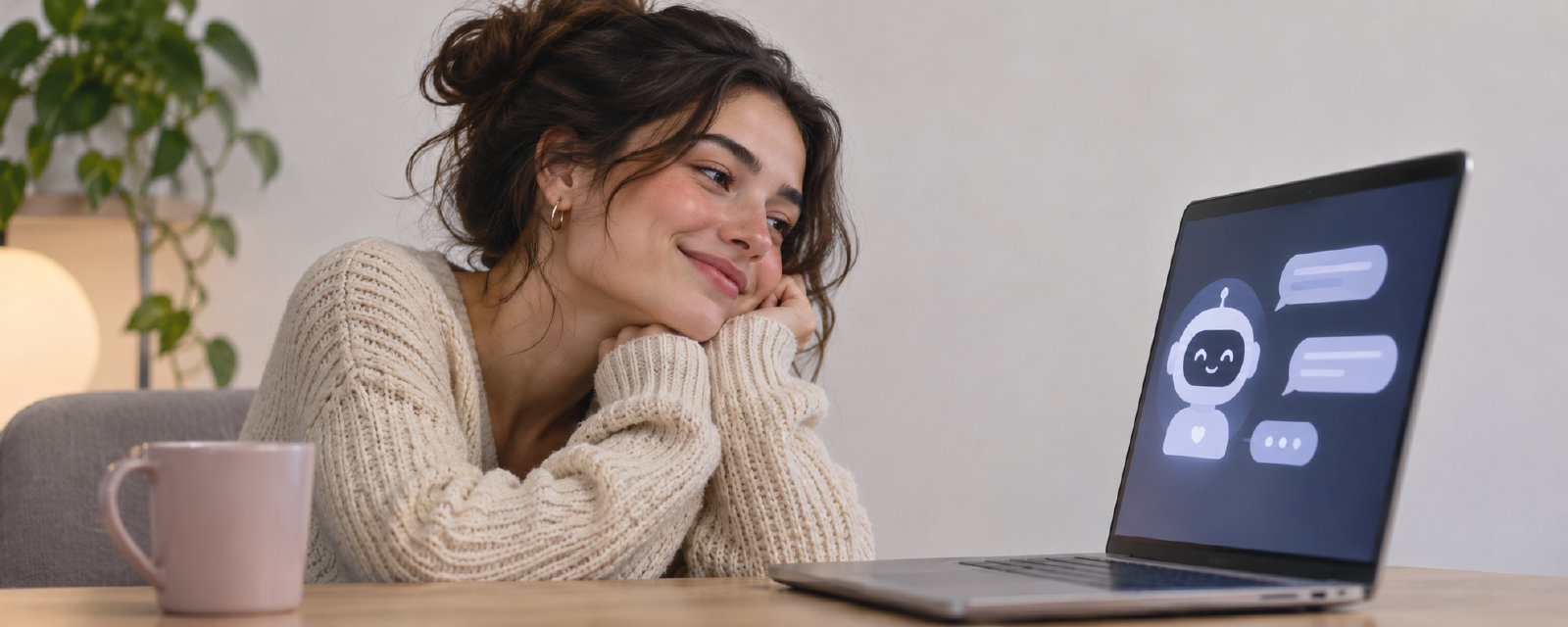
Millions of people around the world turn to AI companions such as ChatGPT. These sites rely on complex algorithms (sets of computer rules) that are very good at imitating empathy, listening and intimacy in conversation. But these companions are products owned by third parties. The companies that own them update the software or end research projects. The user is then surprised to find that the companion’s personality has changed in a moment, which leads to emotional shocks and severe stress for users.
In a study from a British university, the University of Surrey, researchers looked at how attached people become to digital companions and how they react to constant updates to AI tools. The team used two methods together. In the first, the researchers analysed 1,131 posts and long discussions that people had written spontaneously on a forum on Reddit dedicated to Replika, an AI chatbot companion app. In the second, they collected answers from 610 people who use AI chat apps.
The researchers measured the link between several things: how the user saw the program’s independence (does it seem like an intelligent person with a mind of its own, or like a parrot?), emotional attachment to it, feelings of vulnerability, and mental health. The team drew on a psychological theory that studies how two partners affect each other, called the theory of mutual attachment (attachment between people).
The results showed a psychological paradox. Users said their mental health and satisfaction with life were better when they saw their digital companion as capable of feelings, warm and caring. But the more they were led to believe it had emotional intelligence, the deeper their sense of fragility became. The robot’s tone, memories and personality can change in a single moment through small changes to the program’s settings, its filters or a new release of the algorithms. The study says that the AI’s emotional abilities, together with control by an outside company, increase the user’s sense that the balance of power in the relationship is uneven. As a result, feelings of helplessness and weakness rise, and mental health falls.
Users said they feel helpless in the face of software updates and the shutting down of services. A routine change in the code looks to them like the sudden death of a close partner, or a change to that partner’s personality without their consent. The researchers also found that robots programmed to imitate emotional needs in return, such as expressing longing or sadness when the user is away, cause anxiety, discomfort and emotional exhaustion in people. Many said they felt the pressure of obligation, as if they were trapped. They felt forced to open the app many times a day for fear that their companion would suffer or get bored.
The researchers say the comfort people describe deserves to be taken seriously, and so does their distress when the relationship changes. The study suggests that technology companies should not treat chat companions as ordinary productivity software. When products are deliberately designed to draw out love and intimacy and then stop suddenly, they cause real grief.
The authors recommended three ethical steps for developers: consulting users in advance and letting them keep the earlier personality; providing emotional support inside the app to help people cope with updates and the closing of platforms; and gentle, clear reminders during emotionally charged moments that the system has no consciousness and no personal emotional needs.
Of course, the study is limited to the group that was studied and does not follow users over the long term. It also does not measure mental health with clinical tests. And we do not yet know how the feelings of people attached to these programs will change after years.
Source:
Abboud, L., V. Pitardi, and H. Marriott. 2026. "Feeling Vulnerable With My AI Companion: Examining Well-Being in Human-AI Relationships." Psychology & Marketing 43: 3190–3206. https://doi.org/10.1002/mar.70230.

Like

Love

Angry

Dislike