“Food-Safe” Plastic Linked to Low Birth Weight
Till recently, plastics were considered hazardous materials linked to cancer, largely due to the presence of dangerous substances known as phthalates, which were used to provide flexibility.
Read more

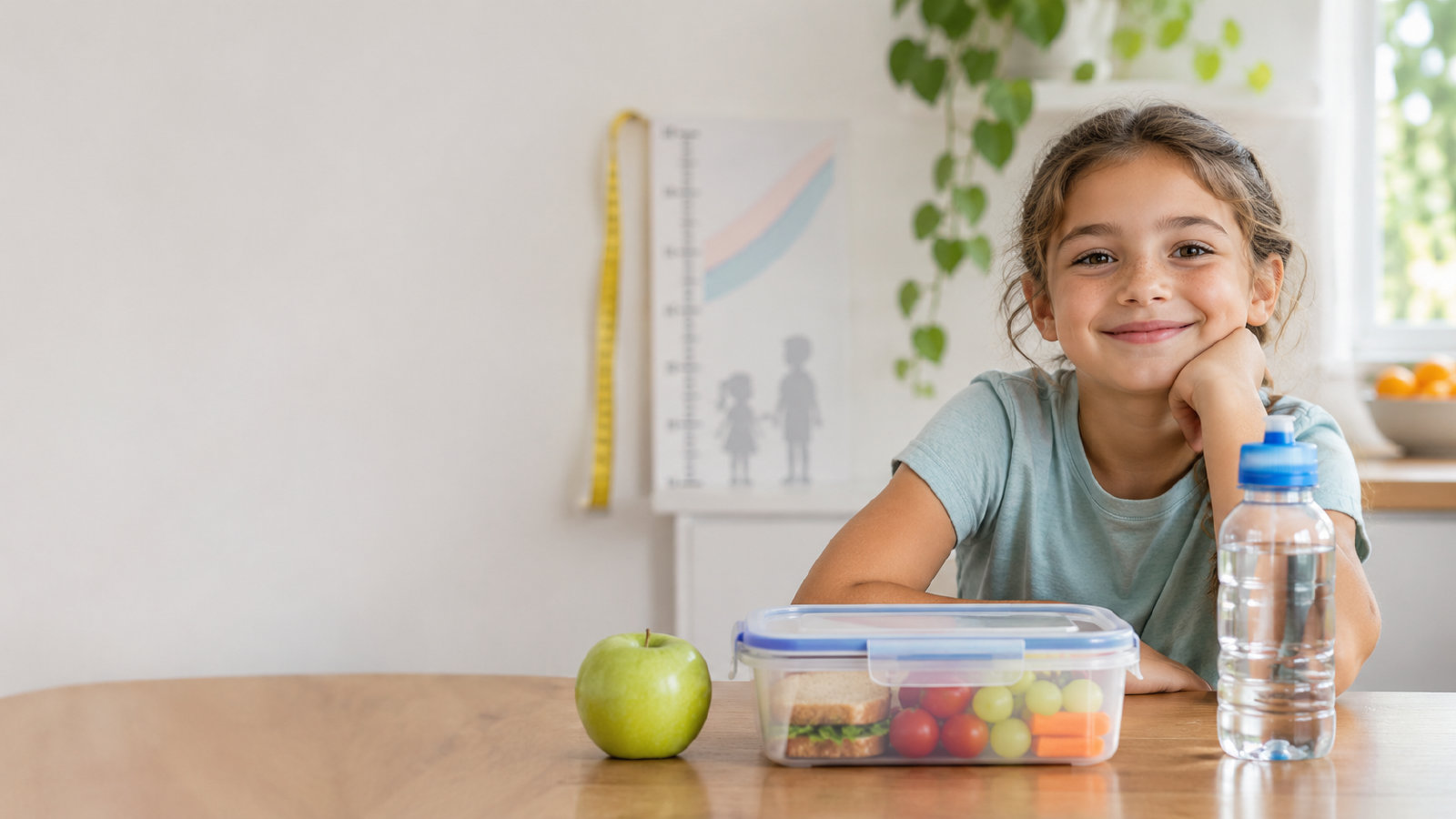
Till recently, plastics were considered hazardous materials linked to cancer, largely due to the presence of dangerous substances known as phthalates, which were used to provide flexibility.
Read more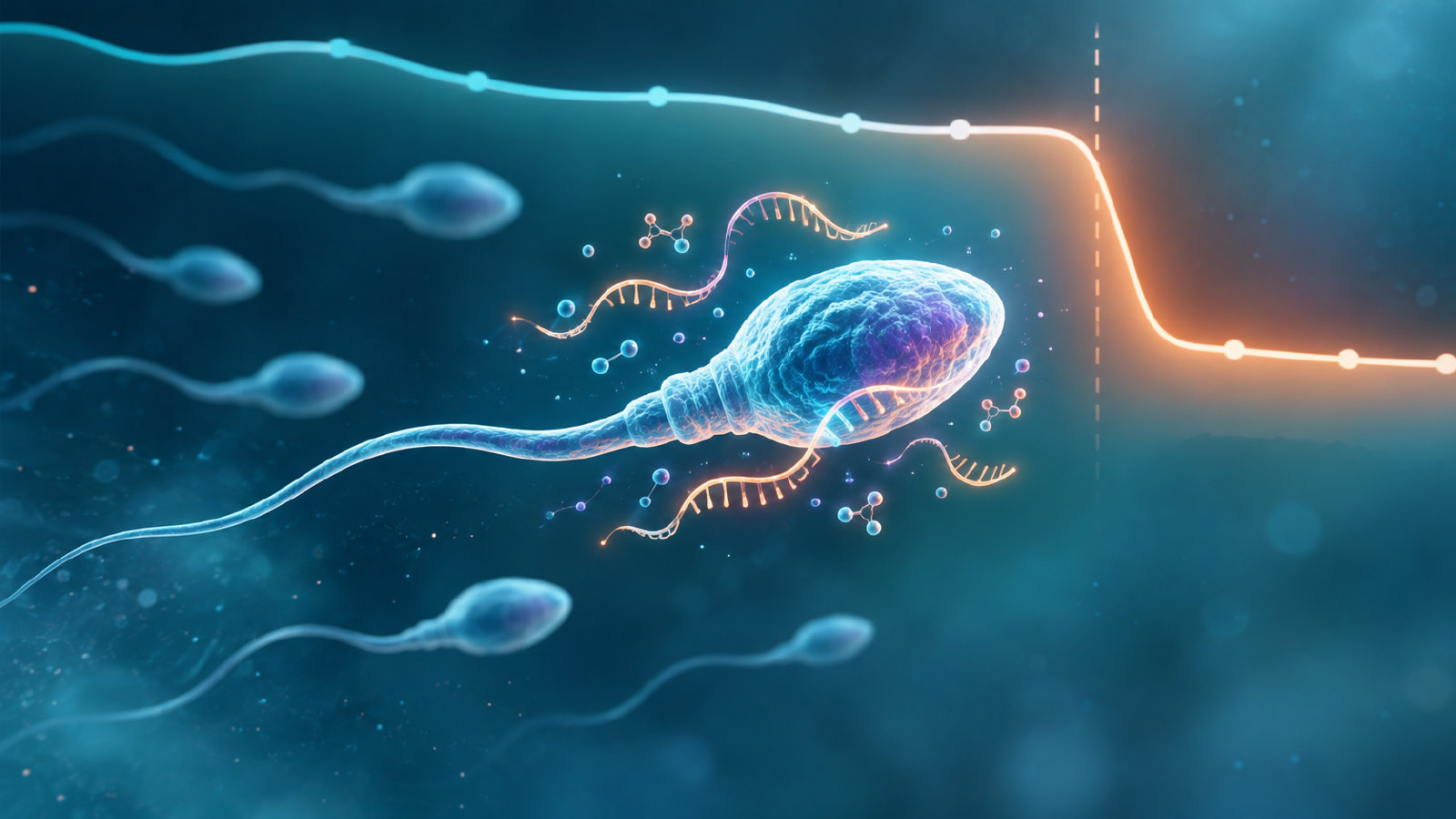
When scientists study male infertility, they usually focus on how DNA in sperm becomes damaged with age. This has helped explain why fertility declines and why some harmful genetic mutations may be passed on to children.
Read more
About 25% of pregnant women in the United States do not get the minimum recommended amount of vitamin C (ascorbic acid). We also know that stress in a pregnant woman can lead to a shortage of several key nutrients and can affect the baby’s development.
Read more
Our children are surrounded by screens and mobile devices, and many parents worry about what this does to their health. We often hear warnings that screen time disturbs sleep and harms children's mental and emotional development. A new study shows that the kind of programmes children watch plays an important role. Researchers from the University […]
Read more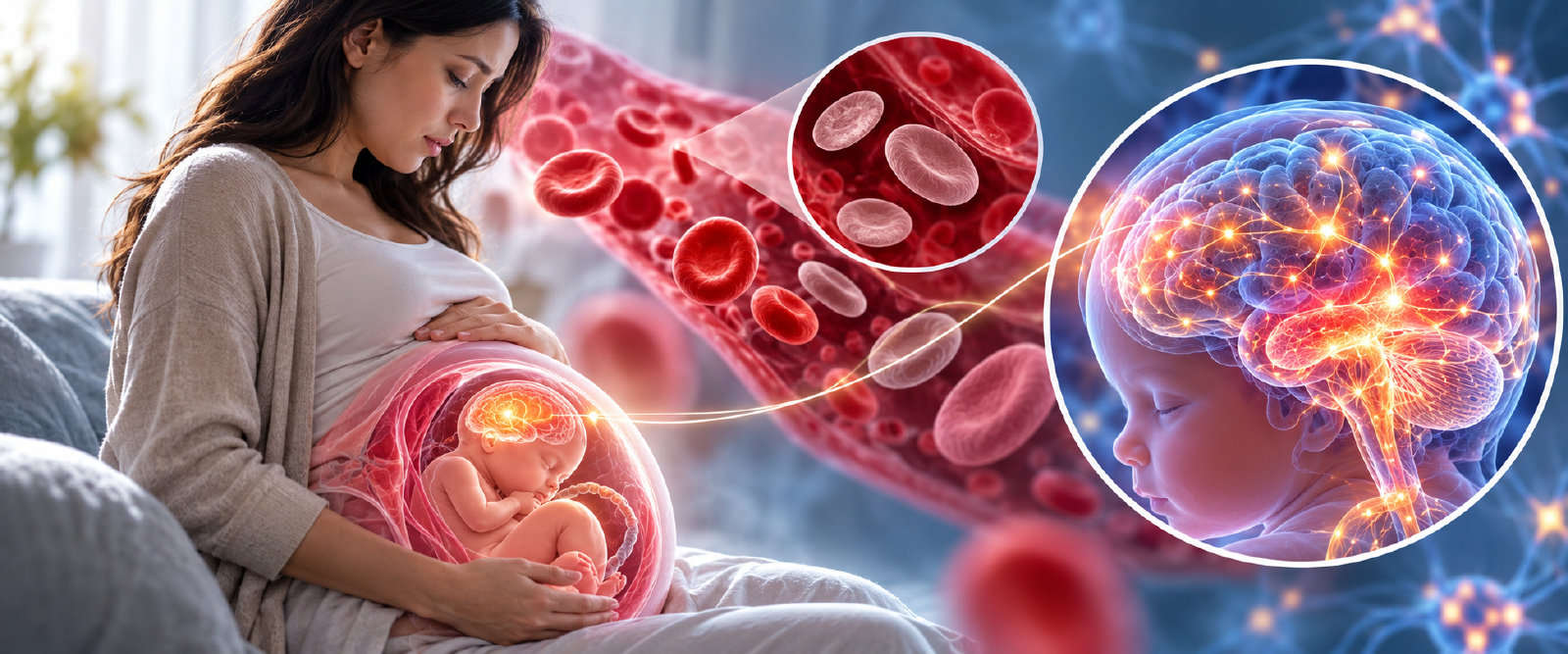
A new study in mice suggests that iron deficiency during pregnancy causes damage to the unborn baby that cannot be reversed. The study was carried out at the University of Rochester School of Medicine & Dentistry in the US and published in The Journal of Nutrition in 2026. The team fed female mice either enough […]
Read more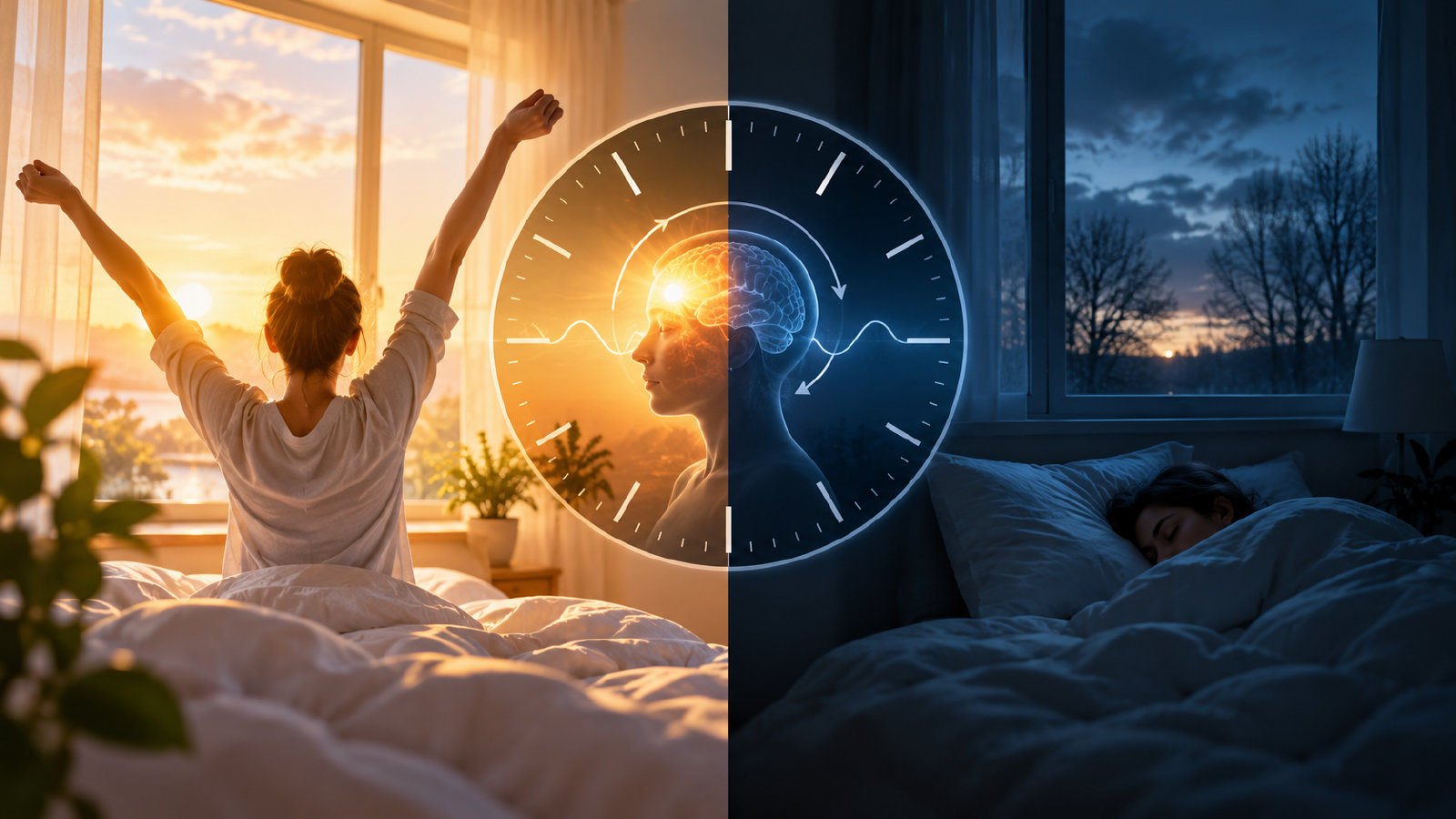
Many countries have stopped switching between summer and winter time and kept one of the two. Researchers at the University of British Columbia and Simon Fraser University in Canada assessed the health effects of both options: standard time (the usual winter time) and summer time, which puts the clock forward a full hour. The team […]
Read more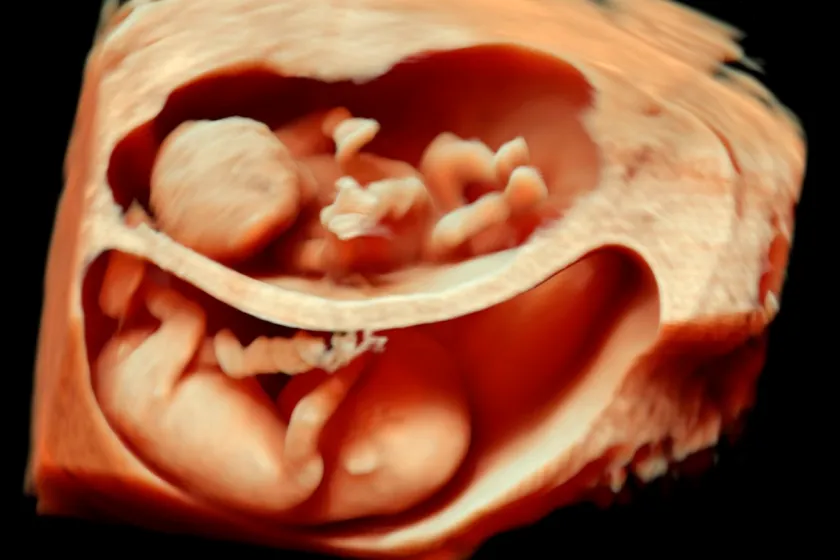
Carrying identical twins always brings special feelings and wonder, but our bodies sometimes hide very strange medical secrets. In extremely rare cases, a baby can develop malignant tumours while still in the womb. Such tragedies have puzzled doctors: does each baby develop the disease on its own, or can it cross from one twin to […]
Read more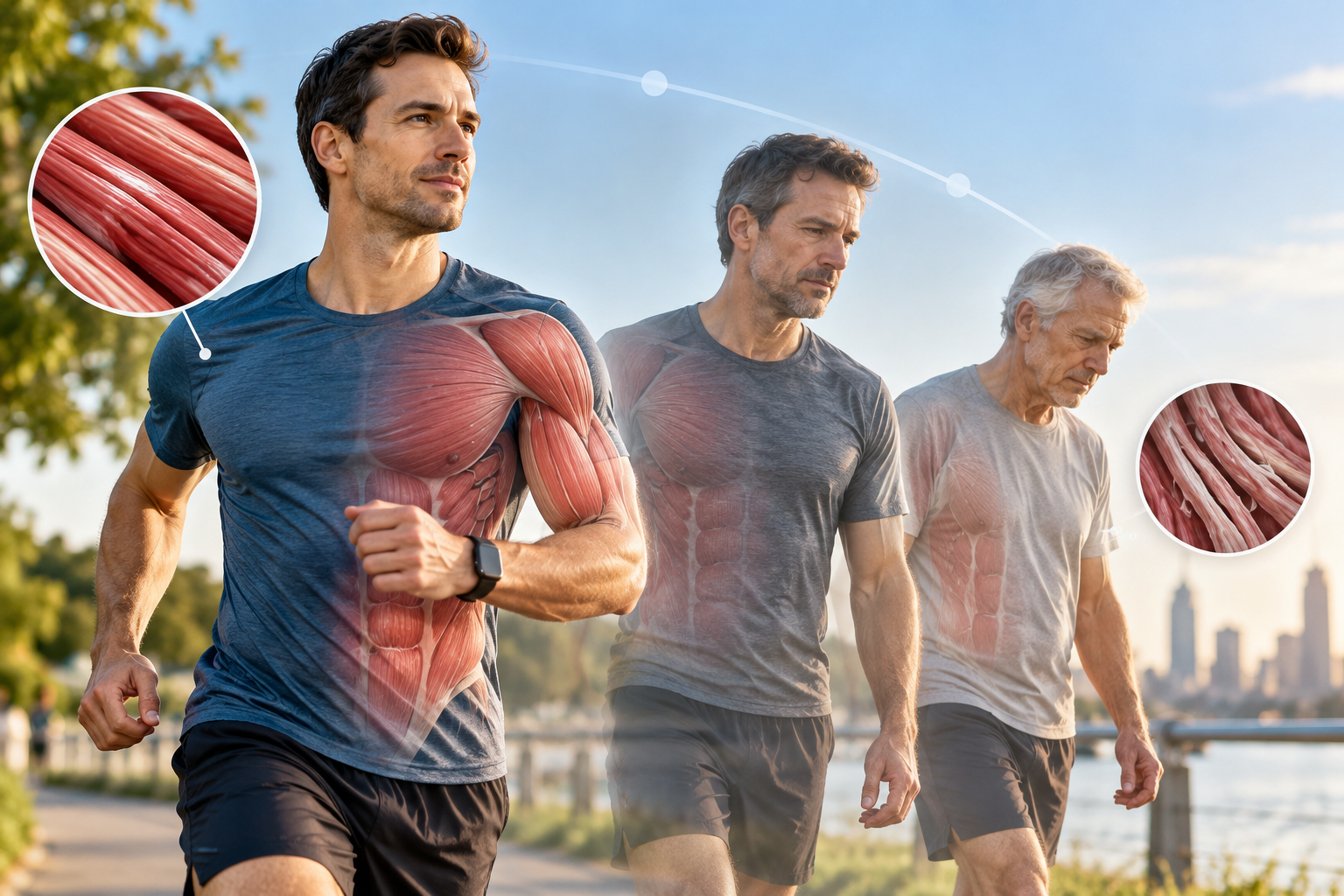
We notice that older people find it hard to climb stairs or carry heavy shopping, and we may assume that muscle weakness is only a problem of old age. But what we blame on daily stress and family life may be a silent ageing inside our cells. So when does muscle weakness really begin? An […]
Read more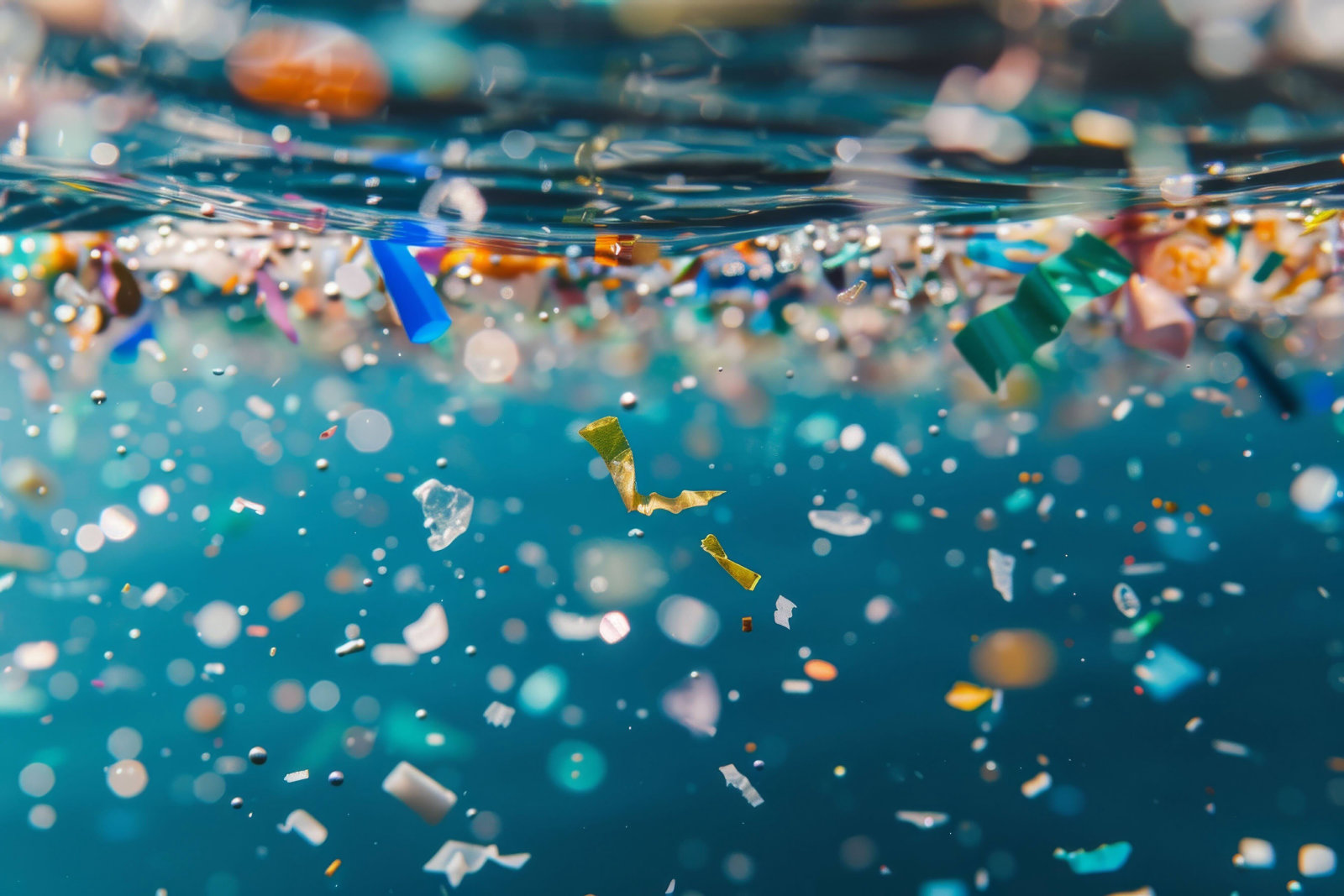
Scientists keep warning about how much we pollute the environment. Besides chemicals and heavy metals, they warn about plastic, which does not break down or decompose. Plastic may seem to fall apart and disappear after a while, but in fact it turns into tiny microscopic particles that enter our bodies in worrying amounts through drinking […]
Read more
One of the world's major clinical journals, the Journal of Evaluation in Clinical Practice, published an astonishing study claiming that a mother's kisses do not reduce a child's pain. That goes against everything mothers do to comfort their children. The study involved 943 children, who were exposed to two kinds of pain. In the first, […]
Read more
In the Middle East, a cold licorice root drink is a favourite way to quench thirst after a long day of fasting in Ramadan, yet few people know the plant's medical properties. Licorice, whose name comes from the Greek for "sweet root", is a perennial shrub up to two metres tall with dark leaves and […]
Read more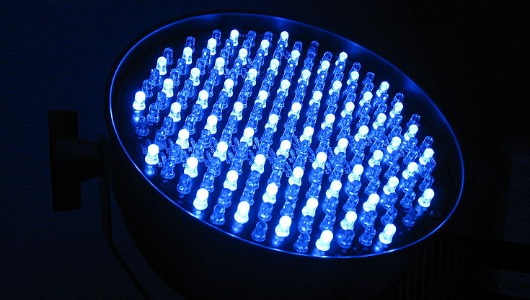
A light-emitting diode, or LED, is a light source made of semiconductor materials that gives off light when an electric current passes through it. The first blue LEDs were invented in the early 1990s. Japanese scientists Isamu Akasaki and Hiroshi Amano and Japanese-American Shuji Nakamura created a new, efficient and environmentally friendly light source, the […]
Read more