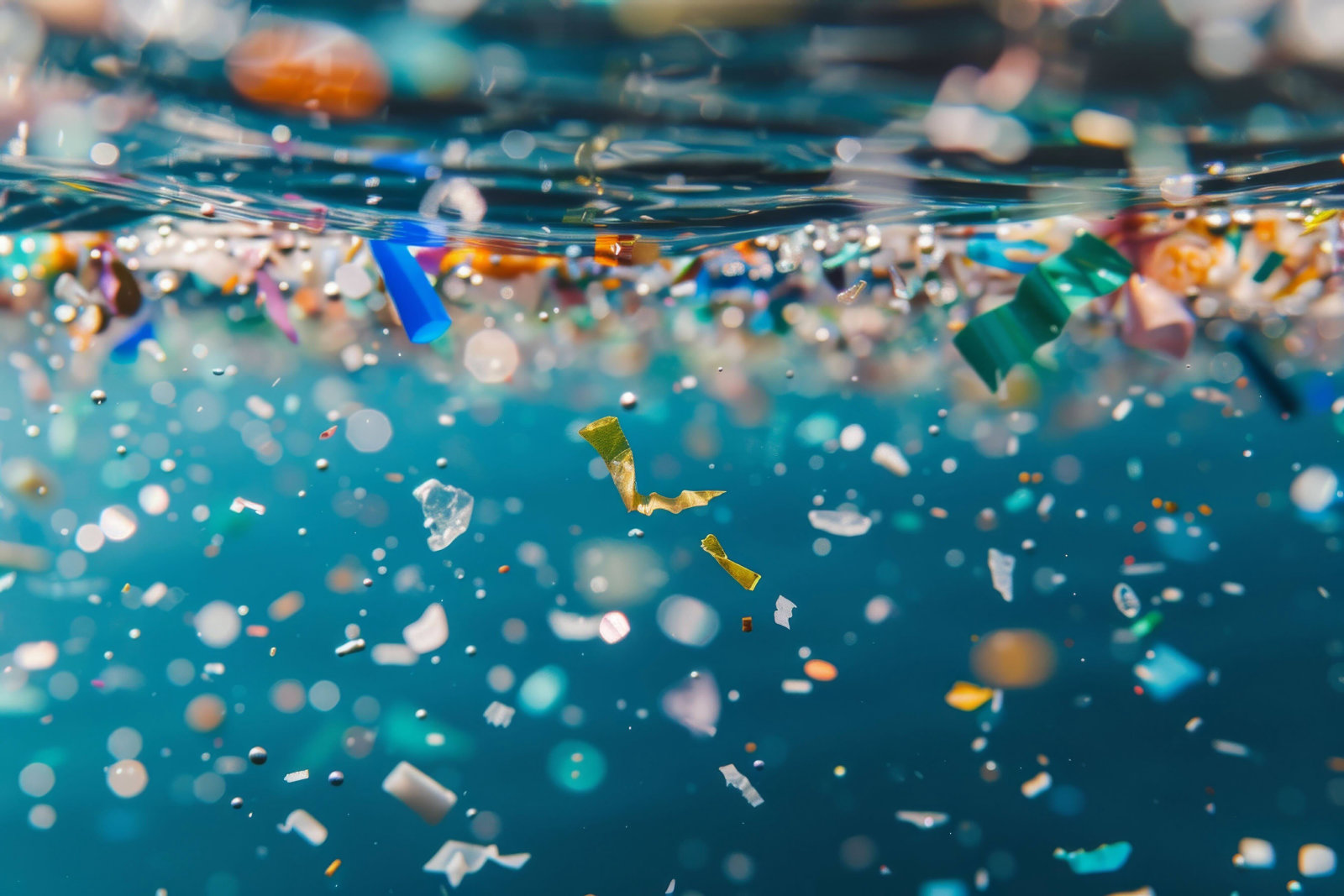
Scientists keep warning about how much we pollute the environment. Besides chemicals and heavy metals, they warn about plastic, which does not break down or decompose. Plastic may seem to fall apart and disappear after a while, but in fact it turns into tiny microscopic particles that enter our bodies in worrying amounts through drinking water and food without our noticing. These tiny fragments settle in many sensitive organs, such as the brain and liver. We do not know exactly what this build-up of plastic does, but we do not expect it to be good. Worse, we could not stop it, or at least did not know how. A new study, however, has shown a simple trick on the kitchen stove that gets rid of most of these harmful particles.
Biomedical engineer Zimin Yu and colleagues at Guangzhou Medical University in China published the study in 2024 in Environmental Science & Technology Letters.
The team compared tap water rich in limescale minerals (hard water) with water low in them (soft water), both containing common nanoplastic and microplastic particles such as polystyrene and polyethylene. They boiled the samples and then filtered them to see how well heat and filtering could remove the plastic in the water.
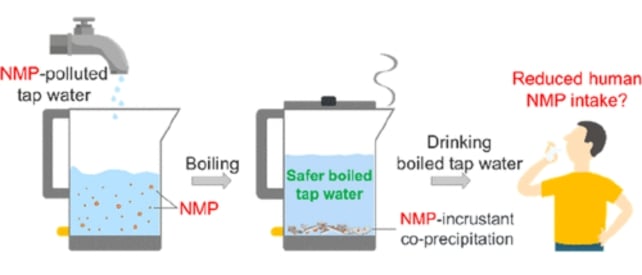
Boiling and filtering removed up to 90 percent of nanoplastic and microplastic particles from hard water, and about 25 percent from soft water. The researchers explain this with a physical process. When hard water is heated, calcium carbonate settles out as the familiar chalky limescale we see at the bottom of kettles. It traps the plastic fragments and wraps them in a hard crust that an ordinary stainless steel tea strainer can remove. The more calcium carbonate, the more nanoplastic was removed: 34 percent at 80 milligrams per litre, 84 percent at 180 milligrams and 90 percent at 300 milligrams per litre.

The results confirm that drinking boiled water is a practical way to reduce the plastic entering our bodies at home, especially since treatment plants do not fully remove these particles, according to a 2025 review from the University of Texas at Arlington.
The full health effects of plastic in the body are still being researched, but some evidence links it to disturbed gut bacteria and increased antibiotic resistance. There are also concerns that plastic builds up in the brain and contributes to dementia, and that it harms sex hormones and fertility. Trials on larger samples in different countries are still needed, but the solution available at home today is to boil tap water and pour it through a fine mesh tea strainer before drinking.

Like

Love

Angry

Dislike