Following a stem cell transplant (bone marrow transplant) used to treat certain types of blood cancer, a patient’s immune system becomes significantly weakened. This leaves patients at high risk of developing life-threatening bacterial infections that spread into the bloodstream, as the body is left unable to defend itself or mount an effective immune response. A new study suggests that this risk could be reduced through an unconventional approach: using beneficial bacteria to compete with and combat harmful ones.
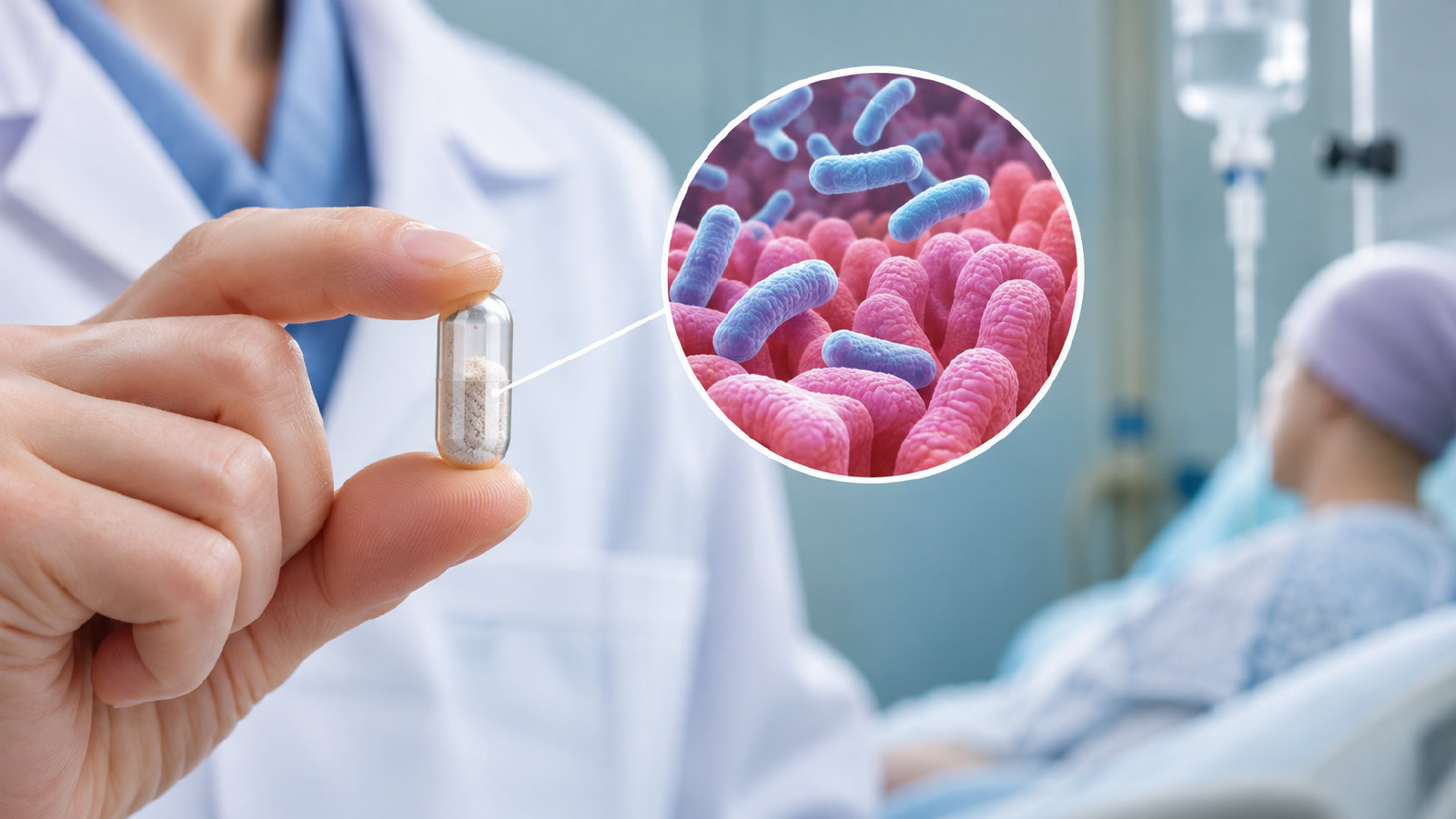
Researchers from City of Hope conducted a study, the results of which were published in the journal *Nature Medicine*. The team tested an experimental treatment called SER-155, which consists of 16 carefully selected strains of beneficial bacteria. The study was conducted in two phases:
The first phase involved 15 patients to assess the safety and feasibility of the bacterial mixture.
The second phase included 45 participants, who were randomly assigned to receive either the actual treatment or a placebo in conjunction with their stem cell transplant.
In the second phase, 20 participants received the SER-155 mixture along with an antibiotic called vancomycin. The regimen involved a four-day course of the antibiotic to prepare the gut, followed by a ten-day course of bacterial capsules; this process was repeated both before and after the stem cell transplant. Meanwhile, 14 participants received a placebo.
The results were encouraging. Only 10% of those who received the new treatment (2 out of 20 patients) developed a bloodstream infection within the first 100 days post-transplant, compared to approximately 43% of those who received the placebo (6 out of 14 patients). This represents a relative reduction in the risk of infection by approximately 77%. Furthermore, the researchers recorded no infections—nor any serious complications—resulting from the specific bacterial strains used. However, the treatment was not entirely free of side effects; some participants experienced symptoms such as diarrhea and nausea. Two patients in each group passed away, though these deaths were unrelated to the bacterial treatment.
The researchers also observed that the beneficial bacteria were able to colonize the gut, particularly following the second course of treatment. The concept behind the therapy is straightforward: our intestines are home to vast communities of microorganisms, collectively known as the gut microbiome. A balanced microbiome helps limit the proliferation of harmful microbes. The researchers selected specific bacterial strains capable of competing with harmful pathogens for nutrients or producing substances that inhibit them. The objective is to reduce the likelihood of dangerous bacteria multiplying and entering the bloodstream.
Stem cell transplants from donors can be life-saving for individuals with blood cancers. However, the associated immune deficiency often necessitates the use of antibiotics, which in turn disrupt the balance of the gut microbiota. While previous studies have explored the use of gut bacteria from donors for other conditions, the composition of those microbial communities was often random and poorly defined. In contrast, this new treatment relies on specific, well-characterized bacterial strains. Nevertheless, the number of participants in this study is insufficient to draw definitive conclusions; consequently, the researchers intend to conduct a larger, more extensive study.

Like

Love

Angry

Dislike