Latin name: Hordeum vulgare
Barley is a grain eaten in many countries, in packaged foods and soups. Malt extract from barley is used to make beer, and a sweetener called malt sugar is also made from it. Most studies have used foods containing barley rather than barley alone.
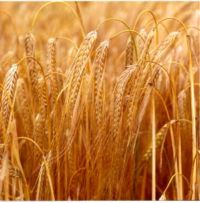
Studies suggest barley may help lower blood cholesterol and LDL ("bad") cholesterol in people with mildly raised blood fats. It is high in fibre, which has been linked with less heart disease, although that result wasn't statistically significant. Germinated barley foodstuff (GBF) may help in ulcerative colitis and mild constipation, and high-fibre barley may help people with diabetes by lowering the glycaemic index of meals and blood sugar after eating.
Uses backed by scientific evidence
These uses have been tested in animals or people. Safety and effectiveness haven't been proven in every case, and some conditions can be serious and should be assessed by a health professional.
- High cholesterol (grade B, good evidence): high-fibre barley, barley flour or barley oil may lower cholesterol. Regular barley with a cholesterol-lowering diet is suggested for moderate cases, but larger studies are needed to set a safe, effective dose.
- Ulcerative colitis (grade C, unclear evidence): foods made from germinated barley may help.
- High blood sugar / glucose intolerance (grade C): early evidence suggests barley meals improve glucose tolerance; more research is needed.
- Constipation (grade C): barley is a folk remedy for constipation because of its fibre, but evidence is limited.
Traditional or theoretical uses, not properly studied
Antibacterial, appetite suppressant, asthma, digestive and urinary disorders, bronchitis, stones, colon cancer, diabetes, diarrhoea, circulation, kidney disease, nutrition, tonic, sweetener and weight loss.
Doses studied in adults
- High cholesterol: 1.5 g of barley oil twice a day, or 30 g of barley bran flour a day, by mouth.
- Mild to moderate ulcerative colitis: 15 g of barley-derived foods three times a day, which was well tolerated.
- Constipation: 9 g of germinated barley foodstuff a day for 20 days.
There is not enough evidence for use in children.
Safety
- People allergic to barley flour or beer should avoid barley products; some develop rashes after drinking beer made from barley malt, and people allergic to other grains may react to barley.
- "Baker's asthma" is an allergic reaction to breathing in grain flour, including barley flour.
- Large amounts of barley may lower blood sugar. People with diabetes or taking drugs or herbs that affect blood sugar should monitor their blood sugar, as doses may need adjusting.
- Barley dust can irritate the nose, eyes and sinuses or trigger asthma.
- Hordenine, a chemical in barley roots, stimulates the nervous system and may in theory raise the heart rate, especially with caffeine or other stimulants.
- Barley contaminated with fungi has been linked with Kashin-Beck disease, a bone disease affecting 1 to 3 million people in China and Tibet; another contaminant found in barley is ochratoxin A.
- Babies fed formulas of barley water, whole milk and corn syrup developed malnutrition and anaemia.
- Pregnant women are usually advised not to eat large amounts of barley products.
Interactions
The fibre in barley may reduce the absorption of medicines, herbs and supplements taken by mouth. Barley may add to the effect of cholesterol-lowering drugs (such as lovastatin and atorvastatin) and herbs (such as fish oil, garlic and niacin), and to blood-sugar-lowering drugs and herbs.

Like

Love

Angry

Dislike