Medicinal plants: lemon

Medicinal plants: lemon

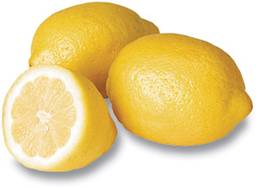
The lemon tree came from Asia, flourished around the Mediterranean and then spread to Europe. Its fruit is among the most nourishing and most valued of fruits. What it contains Lemon is rich in vitamin C and also contains some B vitamins, potassium, calcium and phosphorus, as well as fibre, especially pectin in the peel. […]

Read more
Medicinal plants: fennel

Medicinal plants: fennel

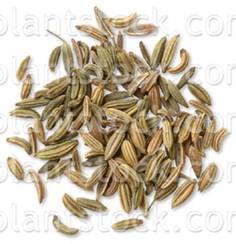
Latin name: Foeniculum vulgare, of the carrot family (Apiaceae) A well-known Mediterranean herb, 1 to 2 m tall and much branched, with thread-like leaves and yellow flowers in umbrella-shaped clusters. The fruits split into two and are greenish-brown or grey. It grows across southern Europe and Asia, on waste ground and dry slopes, and flowers […]

Read more
Medicinal plants: garlic

Medicinal plants: garlic

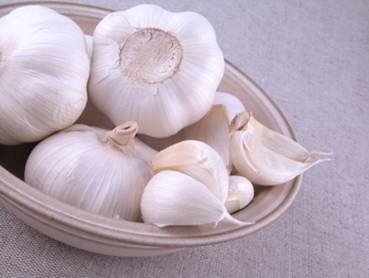
Garlic is one of the oldest cultivated plants, long believed to give strength and keep illness away. It is good for the heart and arteries, may help lower blood pressure and cholesterol, and has antioxidant, antimicrobial and diuretic properties. Its relative, Chinese chives, has been eaten in China since ancient times; like garlic, onions and […]

Read more
Medicinal plants: lavender

Medicinal plants: lavender

Latin name: Lavandula officinalis (Lavandula angustifolia) A perennial herb, 30 to 60 cm tall, with many upright branches and long, narrow, smooth leaves. Its fragrant, bitter-tasting blue flowers grow in spikes. It is native to the Atlantic coast and spread around the Mediterranean, and it grows wild in neglected fields and in almost any soil. […]

Read more

Medicinal plants: mustard

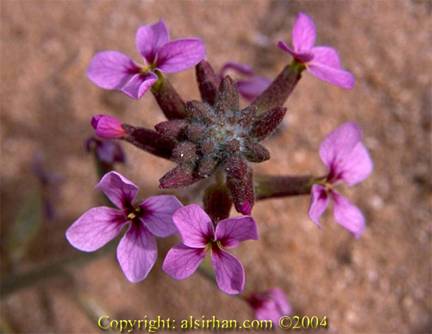
Latin name: Brassica (black mustard), of the cabbage family (Brassicaceae) A fast-growing annual herb, 60 to 80 cm tall and much branched, with long, wavy-edged leaves and small yellow flowers in June and July. The pods hold 3 to 5 seeds, which are rough, sharp and pungent and no more than 1 mm across. There […]

Read more

Medicinal plants: bay laurel

Latin name: Laurus nobilis, of the laurel family (Lauraceae) An evergreen shrub that can live 100 years, 4 to 6 m tall, with male and female plants. It looks like an olive tree and its fruits look like olives, but black. Its leathery leaves are bitter and fragrant, with slightly wavy edges and scent glands. […]

Read more
Medicinal plants: hyssop

Medicinal plants: hyssop

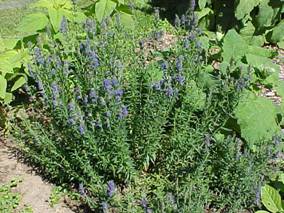
Hyssop (Hyssopus officinalis) belongs to the mint family (Labiatae). It is an aromatic herb native to the Mediterranean, common on sunny limestone ground. It grows 50–60 cm tall, with an upright, branching, square stem and narrow, stalkless leaves. Small blue-violet flowers, rarely white or red, open on one side of the flower head between June […]

Read more
Medicinal plants: rosemary

Medicinal plants: rosemary

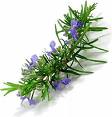
Rosemary (Rosmarinus officinalis) is a small evergreen shrub of the mint family. It doesn't tolerate cold and needs a sunny place sheltered from wind. It grows 1–2 m tall, with an upright, much-branched stem and narrow leaves that are silvery on top and covered in fine white hairs underneath. The leaves smell of camphor and […]

Read more
Medicinal plants: tea

Medicinal plants: tea

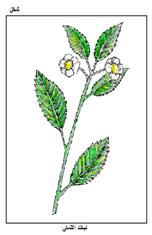
Tea (Camellia sinensis) is a shrub that grows up to about 1.8 m tall in the wild. There are more than 300 varieties, each with its own character, name and reputation: Assam tea is named after the Assam region of India and Keemun after Keemun in China. The soil and climate play the biggest part […]

Read more
Medicinal plants: thyme

Medicinal plants: thyme

Thyme (Thymus vulgaris) belongs to the mint family (Lamiaceae). It is a low, creeping perennial herb that grows wild in fields and in gardens. It reaches about 40 cm, with woody, much-branched stems and a taproot. The small, oval leaves (4–8 mm long and 3–4 mm wide) grow almost directly from the stem in opposite […]

Read more

Don’t overlook cranberry juice

A new study by researchers at Worcester Polytechnic Institute, published in the journal Colloids and Surfaces, shows that cranberry juice changes the physical properties of the bacteria that cause urinary tract infections, creating a barrier that stops them getting close to the cells of the urinary tract and so helps prevent infection. There are two […]

Read more
Medicinal plants: ginger

Medicinal plants: ginger

Ginger (Zingiber officinale) is an aromatic perennial herb of the ginger family (Zingiberaceae), grown for its rhizome (underground stem), which has a distinctive fragrance and a sharp, hot taste. It grows in the tropics, up to about 1 m tall, with lance-shaped green leaves and yellow flowers with orange or purple, white-spotted petals. When the […]

Read more