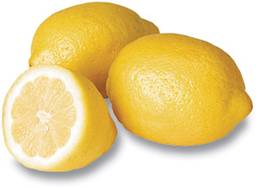
The lemon tree came from Asia, flourished around the Mediterranean and then spread to Europe. Its fruit is among the most nourishing and most valued of fruits.
What it contains
Lemon is rich in vitamin C and also contains some B vitamins, potassium, calcium and phosphorus, as well as fibre, especially pectin in the peel.
Traditional uses
- Lemon juice with a little honey for colds and sore throats.
- Lemon water to whet the appetite and help digestion.
- As a mouth rinse, as it has antiseptic properties.
- For dizziness and nausea.
- Added to food and drinks as a source of vitamin C.
The peel
Lemon peel contains compounds (polymethoxylated flavones) that have lowered cholesterol in lab and animal studies. Its pectin feeds the good bacteria in the large intestine. The grated peel also stimulates appetite and digestion.
In beauty care
Lemon has long been used in beauty care. Rubbing the hands gently with half a lemon softens the skin, and a light lemon rinse makes hair shine. Lemon juice is also used on dark spots.
Caution: lemon juice on the skin can make it burn badly in the sun, so rinse it off before going out. Lemon doesn't cure liver disease, jaundice, fevers, kidney stones or other illnesses; these need a doctor.
Note: these are traditional uses, and most have not been proven by research. Talk to your doctor or pharmacist before using herbs as medicine, especially if you are pregnant or breastfeeding, have a long-term illness or take other medicines.
By Dr Elias Jabbour

Like

Love

Angry

Dislike