Latin name: Foeniculum vulgare, of the carrot family (Apiaceae)
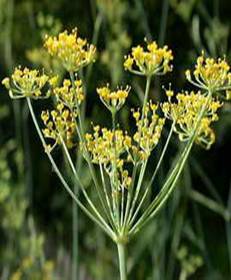
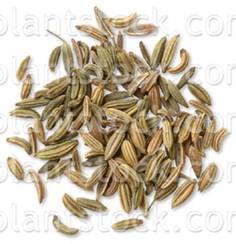
A well-known Mediterranean herb, 1 to 2 m tall and much branched, with thread-like leaves and yellow flowers in umbrella-shaped clusters. The fruits split into two and are greenish-brown or grey. It grows across southern Europe and Asia, on waste ground and dry slopes, and flowers in July and August; the fruits ripen and are harvested in September.
Parts used
The fruits (seeds), roots and stems.
What it contains
The fruits contain 3 to 6% essential oil, mainly anethole (50–60%, sweet) and fenchone (about 20%, bitter), as well as protein, sugars, minerals (potassium, calcium and iron) and vitamins A, B and C. Fresh fennel is about 90% water, with about 31 calories per 100 g, and is rich in folate, fibre and potassium.
Uses
Fennel stimulates appetite and digestion, relieves wind, bloating and gut cramps, eases coughs and loosens phlegm, increases urine and is traditionally used to increase breast milk. It gives food a light aniseed flavour, and as it is low in calories and filling, it suits slimming diets. Choose firm, fragrant bulbs with green leaves, cook them briefly to keep their flavour and value, and don't eat the tough outer layers.
Fennel water is widely used for babies' colic and wind, and as an eye and skin wash. Powdered fennel is used to keep fleas away.
- Decoction: 1 teaspoon of seeds per cup of water, boiled for 2 to 3 minutes, strained and sweetened with honey; up to 2 cups a day in several doses, for coughs with phlegm.
- Powder: seeds ground with an equal amount of rock sugar, a quarter teaspoon 3 to 4 times a day.
Caution: fennel doesn't treat serious illnesses such as lung abscesses, tuberculosis, kidney infections or cancer; these need medical care. Ask a doctor before giving fennel preparations to babies.
Note: these are traditional uses, and most have not been proven by research. Talk to your doctor or pharmacist before using herbs as medicine, especially if you are pregnant or breastfeeding, have a long-term illness or take other medicines.
By Dr Elias Jabbour

Like

Love

Angry

Dislike