Medicinal plants: carrot

Medicinal plants: carrot

Latin name: Daucus carota, of the carrot family (Apiaceae) The carrot is one of the richest plants in carotene, which the body turns into vitamin A, which nourishes our skin. That is why carrot goes into many creams and face masks, and why eating carrots helps keep the skin supple and smooth. For a carrot […]

Read more
Medicinal plants: mustard

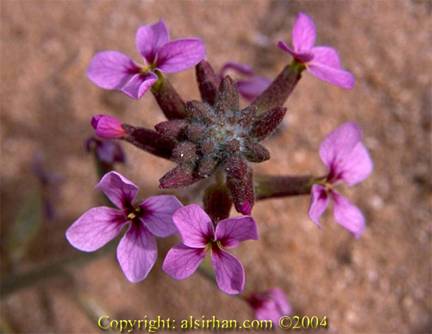
Latin name: Brassica (black mustard), of the cabbage family (Brassicaceae) A fast-growing annual herb, 60 to 80 cm tall and much branched, with long, wavy-edged leaves and small yellow flowers in June and July. The pods hold 3 to 5 seeds, which are rough, sharp and pungent and no more than 1 mm across. There […]

Read more
Medicinal plants: lemon

Medicinal plants: lemon

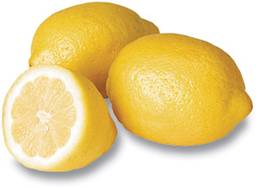
The lemon tree came from Asia, flourished around the Mediterranean and then spread to Europe. Its fruit is among the most nourishing and most valued of fruits. What it contains Lemon is rich in vitamin C and also contains some B vitamins, potassium, calcium and phosphorus, as well as fibre, especially pectin in the peel. […]

Read more
Medicinal plants: lavender

Medicinal plants: lavender

Latin name: Lavandula officinalis (Lavandula angustifolia) A perennial herb, 30 to 60 cm tall, with many upright branches and long, narrow, smooth leaves. Its fragrant, bitter-tasting blue flowers grow in spikes. It is native to the Atlantic coast and spread around the Mediterranean, and it grows wild in neglected fields and in almost any soil. […]

Read more

Medicinal plants: bay laurel

Latin name: Laurus nobilis, of the laurel family (Lauraceae) An evergreen shrub that can live 100 years, 4 to 6 m tall, with male and female plants. It looks like an olive tree and its fruits look like olives, but black. Its leathery leaves are bitter and fragrant, with slightly wavy edges and scent glands. […]

Read more
Evening primrose

Evening primrose

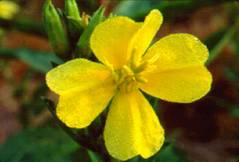
Oenothera is a genus of about 125 species of annual or biennial flowering herbs, native to North and South America. Their common names include evening primrose, suncups and sundrops. They range from 10 cm to 3 m tall. The leaves form a rosette at the base and spiral up the stem. The flowers open in […]

Read more

Medicinal plants: hollyhock

Hollyhock (Alcea rosea) belongs to the mallow family (Malvaceae). It is a herb that grows into a perennial, reaching up to 3 m, with an upright, branching stem covered in rough hairs, and alternate, rounded, hand-shaped leaves with toothed edges. Clusters of flowers grow from the leaf joints between June and September, in purple or […]

Read more
Aloe vera: what the evidence says

Aloe vera: what the evidence says

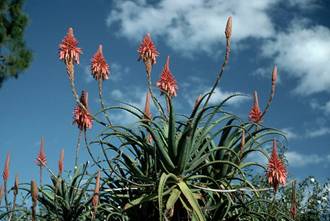
The gel inside aloe leaves has been used for thousands of years to treat wounds, skin inflammation, burns and other skin conditions, and the dried inner layer of the leaf (aloe latex) has been taken by mouth as a laxative. There is strong scientific evidence for aloe's laxative effect, which comes from the anthraquinone glycosides […]

Read more

Medicinal plants: bishop’s weed (ammi)

Ammi belongs to the carrot family (Umbelliferae), with flowers arranged in umbrella-shaped clusters, five-part flowers and secretory canals that give these plants their typical smell. It prefers sandy clay soils and grows across the Mediterranean, North Africa and western Asia, where it can be sown between April and July. Like the carrot, it is an […]

Read more

Medicinal plants: caraway

Caraway (Carum carvi) belongs to the carrot family (Umbelliferae). It grows in dry meadows and on roadsides, and is also cultivated. It is a herb 30–100 cm tall with its own distinctive smell and feathery leaves. It flowers in May and June with white, rarely red, flowers, and in July produces small brown seeds that […]

Read more

Medicinal plants: chamomile

Chamomile (Matricaria chamomilla) is an aromatic annual herb of the daisy family (Compositae), native to southern and eastern Europe and now grown in many countries. It is a much-branched plant, 15–60 cm tall, with finely divided, thread-like dark green leaves. From June to August it bears flower heads that smell of apples: white ray florets […]

Read more

Medicinal plants: hawthorn

Hawthorn (Crataegus oxyacantha) belongs to the rose family and is native to the Mediterranean region. It is a medium-sized, thorny, deciduous wild tree, 3–5 m tall, growing in woodland, with hard branches ending in sharp thorns. Its leaves are small, glossy and green, 2.5–6 cm long, lobed (3 to 7 lobes) and toothed. Fragrant white […]

Read more