Medicinal plants: marjoram

Medicinal plants: marjoram

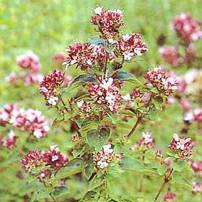
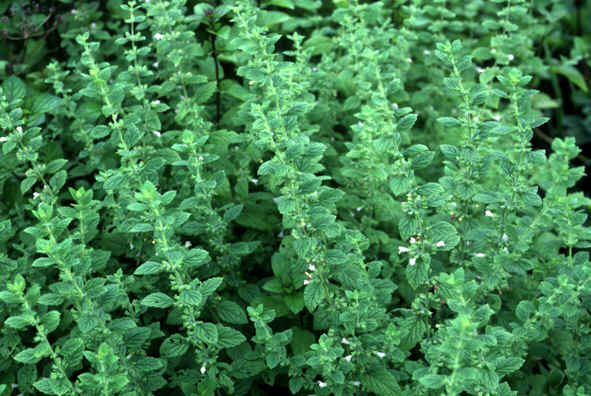
Latin name: Origanum majorana, of the mint family (Lamiaceae) A perennial herb 30 to 60 cm tall, growing in moist and semi-dry mountain land. It is native to North Africa and southern Europe and is now grown in most warm and temperate places. It grows on sunny slopes, in meadows and fields and on stony […]

Read more

Low blood sugar in people without diabetes

Low blood sugar (hypoglycaemia) can happen in people who don't have diabetes. It can be reactive, coming on after eating, or fasting. Reactive hypoglycaemia is often linked to certain illnesses. Symptoms In both types the symptoms are like those of low blood sugar in diabetes: hunger, nervousness, sweating, shaking, loss of balance, light-headedness, sleepiness, confusion, […]

Read more
Dry skin in winter

Dry skin in winter

Dry skin is a common problem that affects one person in three, and you notice it by touch rather than by sight. Healthy skin has a layer of protective oils on its surface, made by the oil glands, which keep it moist. When there is too little of this oil, water evaporates quickly from the […]

Read more
Chocolate that fights wrinkles?

Chocolate that fights wrinkles?

A bar of chocolate may help fight wrinkles, especially as chocolate products enriched with antioxidants are being developed. One of the world's biggest chocolate makers says that a chocolate bar that fights wrinkles and slows ageing would be the latest food on the list of treats for a healthier life. A study by Barry Callebaut […]

Read more

Ageing and the theory of evolution

Before the theory of evolution, ageing was seen like a machine whose parts wear out over time. Afterwards, scientists began to ask why evolution had produced highly complex, adaptable living things that are very good at surviving from birth to adulthood, but then fall into decline and death. Their search for answers led to several […]

Read more

Why does a Parkinson’s drug cause movement problems?

The Lancet Neurology reports that levodopa, the drug used to treat the symptoms of Parkinson's disease, causes loss of function and dyskinesia with long-term use: being unable to control the limbs, with involuntary movements. Clinical studies suggest that pulsatile stimulation of the receptors on the receiving nerve cell causes dyskinesia, but the exact mechanism has […]

Read more

Antidepressants don’t help much in mild depression

Mild, moderate and even severe depression may be better treated with alternatives to antidepressant drugs, which help these patients little more than a placebo, researchers said on Tuesday. But for people with the most severe depression, the drugs bring real benefit. Pooling the data from six studies of two commonly prescribed antidepressants, paroxetine and imipramine, […]

Read more