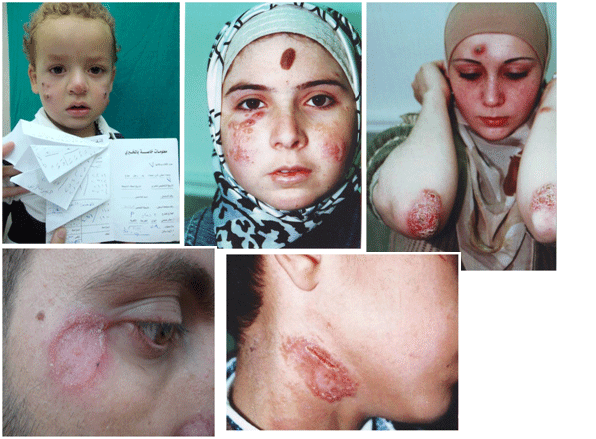
Dry skin is a common problem that affects one person in three, and you notice it by touch rather than by sight. Healthy skin has a layer of protective oils on its surface, made by the oil glands, which keep it moist. When there is too little of this oil, water evaporates quickly from the skin, which becomes dry and cracked.
There are many causes: internal ones, such as poor nutrition, and external ones, such as pollution, the wrong soap, frequent contact with water or dry air. A humidifier (a device that releases a fine mist into the air) helps, but the most effective answer is a moisturising cream, best of all one rich in softening oils such as olive oil.
Tips to ease dry skin
- Avoid hot baths. Hot water "cooks" the skin and strips its oils, leaving it dry and itchy afterwards. Don't scrub hard with a loofah either, so you don't scrape the skin. Lukewarm water, gentle washing and patting dry help protect it.
- Use a suitable soap. Too much soap strips the moisture and natural oils from the skin, which then cracks and can become inflamed. Some cheap soaps harm the skin, so choose a good soap that protects it and dries it less, such as olive oil soap or good laurel soap.
- Choose suitable clothes. You may love your wool jumper, but if your clothes make you itch, give them up. Cotton is usually best for sensitive, dry skin.
- Watch your medicines. Some medicines dry the skin, such as some heart medicines (diuretics) and some acne medicines (such as retinoids). Your doctor may be able to change the dose or the medicine.
- Some illnesses cause dry skin. Dry skin usually has external causes, but sometimes the cause is internal. Low hormone levels reduce the skin's moisture, especially after the menopause. Dry skin is also seen in skin diseases such as eczema and psoriasis, while poorly controlled diabetes can make the body lose a lot of fluid, causing dehydration and dry skin. The thyroid gland also controls the oils that moisten the skin, so dry skin is seen in an underactive thyroid.
- Eat well. Fresh skin needs a healthy, balanced diet, with less salt, fried oil and solid fats and more liquid oils. Milk, vitamin A (from carrots, tomatoes and other vegetables) and omega-3 oils help a lot.
0

Like
0

Love
0

Angry
0

Dislike
0