The eye is a precious organ that must be looked after, and no problem with it should be ignored, however minor. Proper treatment follows a proper diagnosis. A stye may be the most common eye problem, so what is it, what causes it and how should it be treated?
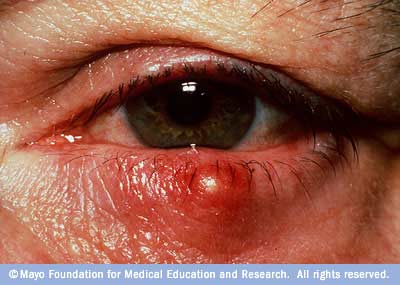
A stye is a small, red, painful lump on or inside the eyelid. It is caused by an acute infection of the oil glands of the eyelid, which blocks them, or by an infection of an eyelash follicle. In 90–95% of cases the cause is the bacterium Staphylococcus aureus.
At first there is pain, redness and a gritty feeling, as if there were sand in the eye. Then swelling appears, with discomfort when opening and closing the eye, and finally the stye becomes clearly visible.
Treatment
- Good personal hygiene, with your own towels.
- Compresses of unsweetened brewed tea or warm water on the eye 3 to 4 times a day, starting as soon as you suspect a stye.
- An antibiotic ointment such as gentamicin, applied 2 to 3 times a day. The doctor may prescribe an ointment containing an antibiotic with a small amount of cortisone, especially if itching and swelling are unbearable.
- In severe, chronic or untreated cases, the stye may need to be removed with a quick, simple procedure. This is seen especially in children.
Note: watch out for infection passing from one eye to the other, so strict hygiene is essential. People who get styes often should wipe their eyes from time to time with unsweetened brewed tea or warm compresses, keeping the eyes clean and reducing the chance of infection.
By Dr Zuhour Mohsen al-Saad

Like

Love

Angry

Dislike