Some mothers whose babies were born at full term (nine months) donate some of their milk for premature babies (born at seven months, for example) whose mothers cannot produce milk.
Breast milk helps protect babies, especially premature babies, from complications that can be fatal. But a new study suggests that donated milk may lack many nutrients.
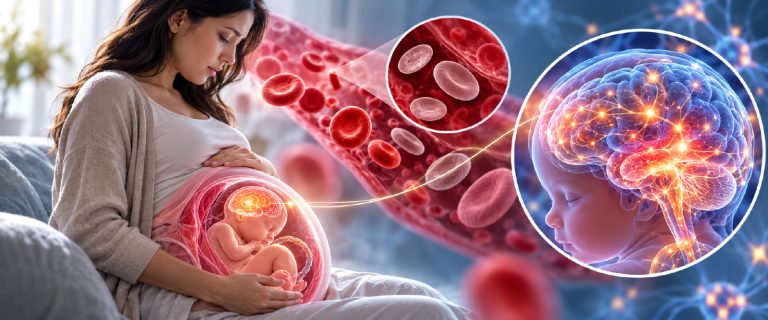
The researchers found that donated breast milk does not contain enough of the fatty acids needed for a baby's nervous system to develop, and it is also low in the amino acids needed to make proteins.
The encouraging news is that pasteurising donated milk does not affect its nutrients; it only removes germs that could harm babies whose immune systems are still immature.
Donated milk is enough for babies born at term, because they drink larger amounts and so easily meet their needs. Mothers produce the right milk for their own babies' age, so in a sense the milk of a mother of a full-term baby does not suit a premature baby.
Doctors can adjust the amino acids in donated milk simply by adding them, but adding fatty acids, especially DHA, upsets the milk's natural balance of nutrients. So the researchers tried adding these fats to the donors' diets instead, with fish, eggs, chicken and seaweed. This makes sense, as modern diets are short of these foods, which lowers the fatty acids, especially DHA, in breast milk.
Several campaigns collect milk from mothers who have more than they need, who donate it free. Studies suggest that donated milk makes babies healthier and stronger against disease and may improve their mental development.
The babies who benefit most are the most fragile, because breast milk prevents a disease called necrotising enterocolitis, which can be fatal.
Collecting milk is expensive: an ounce costs about 4 dollars, and a baby needs hundreds of ounces. The carefully studied pasteurisation method, heating the milk to 62.5 °C for 30 minutes, does not affect its nutrients, but other methods use higher temperatures that may reduce its nutritional content.

Like

Love

Angry

Dislike