In 2014 we spoke to Dr Mohammad Maher Kutlan, a specialist in preventive medicine and epidemiology, about the new coronavirus disease spreading from the Arabian Peninsula.
What is the disease?
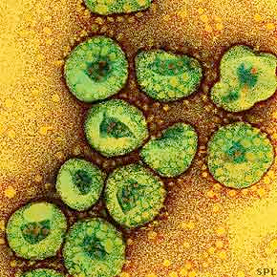
It is an acute respiratory illness, also called Middle East respiratory syndrome (MERS), caused by a virus from the coronavirus family. Coronaviruses usually cause a mild illness like a cold or flu, but this one can develop into a severe illness like SARS, which can kill. The first case was found in Saudi Arabia about two years ago and the second in Qatar; the disease then spread through the Arabian Peninsula, to neighbouring countries in Asia and North Africa, and to Europe and the United States. Early data show that men are affected more than women. The death rate is high and can reach a quarter of cases or more, depending on the country and the medical care available.
What are the symptoms?
Some infections cause no symptoms, but the disease generally shows itself with cough, fever, tiredness and shortness of breath, sometimes with digestive symptoms such as diarrhoea. It can progress to a lower chest infection or pneumonia, or to respiratory failure needing intensive care and a ventilator. Deaths are usually caused by respiratory failure, kidney failure or septic shock. The immune system plays a role: the disease hits people with weak immunity hardest, as well as the elderly, young children, pregnant women and people with cancer, diabetes or chronic lung disease. These groups need special care to reduce deaths.
Where does the virus come from, and how does it spread?
Coronaviruses have been known for more than fifty years. This virus has been isolated from camels and bats, but not from other animals such as sheep or goats. Studies suggest it spreads more among camels under two years old, and antibodies to the virus have been found in camels. The viruses isolated from infected people and from camels are almost identical, which suggests that the first human cases caught it from camels. Research is continuing.
The virus can also pass from person to person, but only to a limited extent, through droplets and respiratory secretions, either directly or via contaminated objects. People are infectious while they have symptoms, not during the incubation period, which is about a week on average. The virus can survive up to two days outside the body but is killed by heat, disinfectants and chlorine. Information about the disease and how it spreads is still limited.
How is it diagnosed?
Respiratory symptoms in an area where the disease occurs, together with contact with a sick animal or a confirmed patient and X-ray signs of pneumonia or severe respiratory infection, call for a nose and throat swab, or better a sample from the airways, tested by PCR. The test must be positive twice to confirm a case, which must then be reported to the health authorities and to bodies such as the World Health Organization.
What are probable and confirmed cases?
A probable case is a person with a respiratory infection and the symptoms above, with signs of pneumonia on X-ray or at post-mortem, where tests are inconclusive, who has a direct link to a confirmed case or lived in or travelled to a country with the disease in the two weeks before symptoms began. A confirmed case is anyone whose infection with the MERS coronavirus is confirmed by two laboratory tests.
How can travellers protect themselves?
Person-to-person spread is limited and happens mainly in health facilities, and there is great concern about infection of medical staff as cases increase, especially in Saudi Arabia. There are warnings against visiting farms, barns and camel races, advice to wash hands after touching animals, and caution about eating camel meat and drinking camel milk. Slaughterhouse workers, vets, and livestock and camel breeders should follow special precautions.
Is there a treatment or a vaccine?
There is no specific treatment. Cases are managed according to their risk factors, with medical care aimed at reducing complications and deaths in high-risk patients. There is no vaccine yet, although there are reports that one may be close.
How can the disease be prevented?
- Good personal hygiene: use a tissue when sneezing or wiping your nose, and throw it in a bin.
- Take care around camels. Eat only well-cooked meat and drink only pasteurised milk or yoghurt, and never eat meat from sick camels.
- Isolate patients and apply strict precautions for butchers and slaughterhouse workers. Give advice to travellers to high-risk countries and follow them up after they return.
- Monitor respiratory infections actively, report confirmed cases and deaths, and apply strict measures to prevent spread in health facilities and crowded places such as the Hajj season.
- Support the immune system through healthy habits: exercise, relaxation, early nights, a balanced diet and less exposure to pollution.
Finally, health education is essential, and people should follow the latest advice from health authorities and recognised organisations.

Like

Love

Angry

Dislike