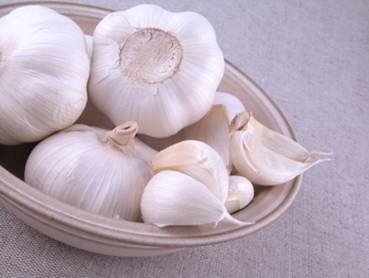
Garlic is one of the oldest cultivated plants, long believed to give strength and keep illness away. It is good for the heart and arteries, may help lower blood pressure and cholesterol, and has antioxidant, antimicrobial and diuretic properties.
Its relative, Chinese chives, has been eaten in China since ancient times; like garlic, onions and leeks it is a source of vitamins A, B and C and potassium.
Garlic keeps for several months in a dry, airy place. Its sharp smell comes from sulphur compounds that kill germs. It contains more protein, starch and fibre than onion, and a little vitamin C.
In old Arab medicine
Al-Antaki wrote that garlic helps coughs, asthma and shortness of breath, colic, jaundice, joint pain and sciatica, brings on periods, loosens phlegm and expels worms, and keeps older people well in winter, but causes itching and haemorrhoids in people with a "hot" constitution. Ibn al-Baitar said garlic warms, relieves wind, causes thirst, expels tapeworm, increases urine and soothes coughs, but is bad for haemorrhoids, dysentery, pregnant women and nursing mothers.
In the kitchen
Only the cloves are used, fresh or dried. Used in moderation, garlic improves the taste of meat, sauces, salads, pulses and mayonnaise; it helps digestion, prevents wind and stimulates appetite. To avoid garlic breath, drink a glass of milk or chew fresh parsley or a coffee bean. Garlic is planted from cloves or small bulbs.
What it contains
Allicin and other sulphur compounds (such as diallyl disulphide), essential oils, minerals (calcium, copper, iron, magnesium, manganese, phosphorus, potassium, selenium and zinc), vitamins A, B1 and C, and enzymes.
Uses
Garlic is used to support the immune system and the circulation, to lower blood fats and blood pressure a little, and against colds, digestive upsets and fungal infections. Its juice has traditionally been used to clean wounds: mix 10 g of garlic juice with 90 g of water and 2 g of alcohol and use as a dressing. Rubbing the gums with a garlic infusion has been used for gum disease.
Odourless garlic supplements are available; aged garlic extract is one of the most studied forms.
Caution: garlic thins the blood, so check with your doctor if you take blood thinners or are about to have surgery. Garlic oil in the ear should not be used if the eardrum may be damaged. Don't give garlic enemas to children; worms and earache in children need a doctor.
Note: these are traditional uses, and most have not been proven by research. Talk to your doctor or pharmacist before using herbs as medicine, especially if you are pregnant or breastfeeding, have a long-term illness or take other medicines.
By Dr Elias Jabbour

Like

Love

Angry

Dislike