During the 2014 epidemic we spoke to Dr Mohammad Maher Kutlan, a specialist in preventive medicine and epidemiology, to learn more about Ebola.
What is Ebola, and why is there so much concern about it?
It is a sudden, acute and severe viral infection of the whole body, endemic in Africa, especially tropical Central and West Africa. Outbreaks have occurred since 1976, but the number of cases was limited. What makes the current epidemic important is the large number of people infected of all ages, about a quarter of them children, and the high rate of infection and death among health workers such as doctors, nurses and laboratory staff. It has also hit the economies of the affected countries hard. Besides the cases in Africa, cases have been recorded outside it, in the United States and Spain. According to World Health Organization forecasts, the number of cases could double every four weeks.
What is the virus?
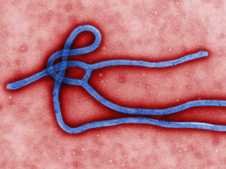
Ebola virus belongs to the filovirus family (Filoviridae). There are five species: Sudan, Zaire, Côte d'Ivoire (Taï Forest), Bundibugyo and Reston.
What are the symptoms, and how deadly is it?
The disease begins suddenly after an incubation period of usually one to three weeks, with fever, severe weakness, headache, muscle pain and sore throat, followed by digestive symptoms such as nausea, vomiting, abdominal pain and cramps, loss of appetite, hiccups and diarrhoea. Less often there are neurological effects such as seizures and confusion, or shortness of breath, and the liver, kidneys and heart can be affected.
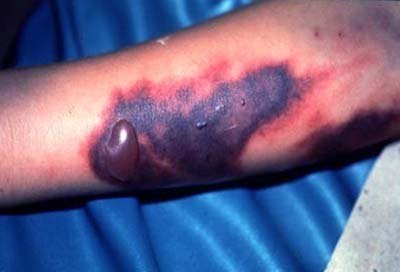
A skin rash with bruising or purple spots can appear, and there may be internal or external bleeding. Between 25 and 90 percent of patients die, mostly in the first two weeks of illness.
Where does the virus live, and how does it spread?
The natural reservoir of the virus is not yet known for certain, but it is carried by fruit bats, chimpanzees, gorillas and monkeys, and it has also been found in pigs.
It usually spreads from person to person through contact with infected blood or body fluids, or with the bodies of people who died of the disease. It also passes from infected animals to people who handle them. Unprotected sex should be avoided, because the virus remains in semen for about seven weeks after recovery. There have been recent warnings against eating raw bushmeat, a custom in some countries where the disease is endemic. People are not infectious during the incubation period, but the disease is very dangerous once symptoms appear and progress. There is no evidence so far that mosquitoes spread it.
How is it diagnosed?
Symptoms together with a history of contact with a sick person or animal, or their body fluids, point to the disease, which is then confirmed in the laboratory. Tests show raised liver enzymes and low white blood cell and platelet counts. The virus can be detected through IgM antibodies, by ELISA and by reverse-transcription PCR, and it can also be isolated and grown.
Is there a treatment or a vaccine?
There is so far no specific treatment or vaccine for Ebola haemorrhagic fever. Antiserum from people who have recovered may soon be available, and research into a vaccine is under way.
Intensive supportive care and strengthening the immune system can reduce complications. Diarrhoea must be treated and dehydration prevented, with 2 to 3 litres of fluid a day by mouth and intravenous fluids and salts as needed, along with vitamins, preventing shock, and managing complications such as heart or kidney failure in properly equipped medical centres.
How can the disease be prevented?
As there is no vaccine yet, control depends on preventive measures, especially those against diseases spread through blood:
- Good hygiene, especially thorough hand washing and alcohol-based sanitisers. Disinfectants such as sodium hypochlorite can be used in animal pens.
- Active surveillance and quarantine of suspected cases, reporting cases confirmed by reference laboratories to the health authorities, advance warning of cases on international transport so that measures can be taken at points of entry, and isolating patients in closed rooms with infection-control services.
- Avoiding contact with wild animals such as monkeys and bats. Vets, animal handlers and butchers in affected areas must take care and wear personal protective equipment.
- Wearing protective equipment (face masks, protective clothing or goggles, gloves and shoe covers) when caring for a patient, handling their body fluids, cleaning where they have been, or handling animals or bodies in affected areas.
- Avoiding travel to affected countries unless necessary, and seeking medical help after any exposure, especially when symptoms begin. Animal products should be cooked thoroughly, and care taken with any parcel or product contaminated with blood from affected areas.
- Safe disposal of a patient's infected waste, such as urine, stool, vomit, saliva and mucus, especially if bloody, making sure it does not reach the skin (especially broken skin), eyes, mouth or bloodstream, and using protection during sex even after recovery.
- Great care when handling patients' blood, avoiding needle-stick injuries and injuries from other sharp instruments. Health workers should take care when handling samples from suspected cases.
- Supporting the immune system through healthy habits: exercise, relaxation to reduce stress, early nights, a balanced diet, and less exposure to environmental and workplace pollution.
- Health education about the risks of the disease, awareness campaigns on how to avoid infection, and support for the media in spreading information.
Finally, health authorities need to work with international organisations to keep up with the latest developments, follow guidance on the disease, and secure support during epidemics.
Interview by Ahmad Othman Othman

Like

Love

Angry

Dislike