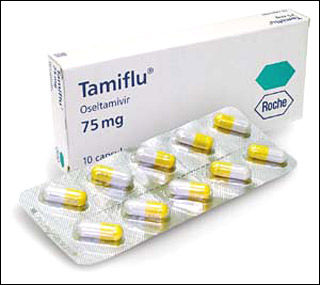
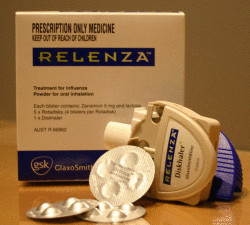
Flu drugs act only on influenza viruses, not on the viruses that cause similar illnesses, and they should be prescribed under close medical supervision. Four drugs are currently licensed in the US to treat flu: amantadine, rimantadine, oseltamivir and zanamivir. Most flu viruses respond to all of them, but some strains have become resistant to amantadine and rimantadine, so oseltamivir (Tamiflu) and zanamivir (Relenza) are recommended to prevent and treat swine flu.
Benefits of treatment and prevention
Treatment: antiviral treatment makes the symptoms milder and the illness shorter, and may prevent serious complications. It works best when started early (in the first two days of symptoms), but should be considered even after 48 hours, especially for people in hospital or with serious complications.
Prevention: antivirals can be used to protect people in close contact with someone who has swine flu; they are 70 to 90% effective. How long they are taken depends on each person.
Recommendations
The US Centers for Disease Control and Prevention (CDC) recommends oseltamivir and zanamivir to treat and prevent swine flu:
- Oseltamivir (Tamiflu®) treats flu A and B from the age of 1 year.
- Zanamivir (Relenza®) treats flu A and B from the age of 7, and prevents it from the age of 5.
Some people also use alternative remedies, from herbal medicines to vitamins D and C, but these are not proven treatments for flu.
The World Health Organization has issued several statements encouraging flu vaccination to prevent infection in the first place, although some people had reservations about the vaccine at the time.

Like

Love

Angry

Dislike