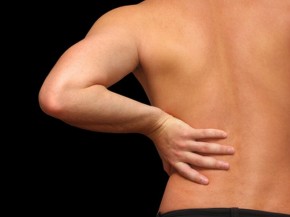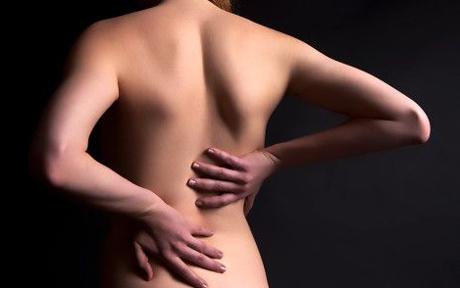
Back pain is one of the most common complaints, especially in adults. It is pain or discomfort in the upper, middle or lower back that may spread to the thighs and legs, though low back pain is the most common.
There are two types: acute back pain, which comes on suddenly and lasts a short time, from a few days to a few weeks, and chronic back pain, which lasts more than three months.
Causes
- Muscle tears and strain, usually from a sudden or awkward movement of the back or lifting something heavy.
- Weak back muscles, muscle tension and spasm, or problems with the joints of the spine.
- Lifestyle, such as standing or sitting badly and not exercising enough.
- Stress: lying awake at night worrying about work, money and life. Stress, anxiety and the tiredness they bring can affect the nervous system and cause spasms in the lower back muscles.
- Osteoarthritis, part of ageing: as the discs of the spine wear, the space between the vertebrae narrows and they rub together, forming bony spurs and causing pain.
Some people are at higher risk: those who do heavy work or stand or sit for long periods, people with weak stomach and back muscles, those exposed to vibration at work, and weightlifters, especially beginners.
Recent medical studies in New York have also found that smokers, especially young ones, are more likely to have back pain than non-smokers.
Pregnant women are especially prone to back pain because of hormonal and physical changes over the nine months, which loosen the joints and the stomach and back muscles, increase the curve of the lower back and cause occasional muscle spasms.
Treatment
There are many ways to cure or at least ease back pain. The most important are:
- Cold and heat: in the first 48 hours, use cold, placing an ice pack on the painful area for 5 to 6 minutes at a time to reduce inflammation and pain. If the pain lasts more than 48 hours, use heat: a hot water bottle or a warm bath.
- Exercise: the most important factor in treating chronic back pain. Experts advise resting the back for no more than two days at the start, then beginning exercises following a plan set by the doctor. Short walks and an exercise bike reduce the chance of back pain without putting pressure on the lower back.
- Water therapy: baths, mineral springs, swimming and water exercises.
- Electrical nerve stimulation: an electrode placed on the back stimulates the nerves and helps ease pain. Current can also be applied through acupuncture needles, for 45 minutes three times a day.
- Massage: boosts circulation in the back and relieves muscle spasm and tension.
- Traction: special equipment stretches the muscles to relieve pressure on the nerves and loosen tight back muscles.
- Education: training the patient to sit properly and lift heavy objects safely.
- Cortisone injections: these ease pain and are used when other methods fail.
- Medicines: according to a doctor's prescription.
- Surgery: the last resort, except in critical cases that need urgent surgery.
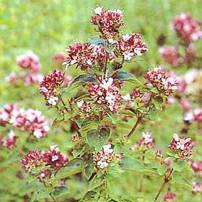
- Herbal remedies: studies have shown that herbs, used with skilled massage, can ease back pain. Among the best known are red pepper, willow, mint, essential oils, male fern, motherwort, rosemary and comfrey root.
Research has also linked some foods to easing back pain, because they improve circulation and so speed healing of the spine. Experts recommend a hot cabbage-leaf compress placed directly on the painful area. Helpful foods include hot peppers, rich in capsaicin, which boosts circulation so that healing substances reach the tissues faster; ginger, which contains natural substances with the same effect; and green tea, which contains antioxidant polyphenols that help repair damaged cells and speed healing.
Tips for women
- Avoid high heels, especially for long periods. Heels of 5 cm or more cause a dangerous arch in the lumbar spine.
- In pregnancy, the main approaches are learning body mechanics (how to sit, bend and lift), using a support belt, and special exercises.
- Sleep: avoid very soft beds, which sag and put pressure on the spine, and very large pillows, which hurt the neck and back.
- Getting up: the back prefers a slow start, so stretch, or even pedal your feet, to loosen the spine.
Finally, for children who suffer mild back pain, American studies have shown that the key factor is their school bag. Make sure the bag is stable and the right size, keep its weight down, and choose well-padded straps so that it does not burden the shoulders and back.
By Huda Saad

Like

Love

Angry

Dislike