Latin name: Brassica (black mustard), of the cabbage family (Brassicaceae)
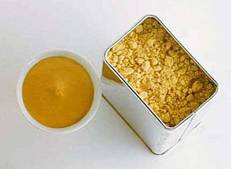
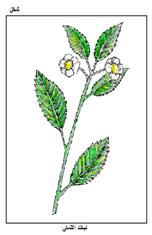
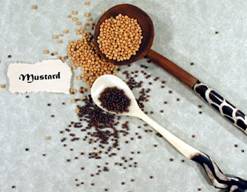
A fast-growing annual herb, 60 to 80 cm tall and much branched, with long, wavy-edged leaves and small yellow flowers in June and July. The pods hold 3 to 5 seeds, which are rough, sharp and pungent and no more than 1 mm across. There are two kinds: yellow seeds (white mustard) and dark seeds (black mustard), which are stronger.
Part used
The seeds. The plant is gathered as soon as the lowest pods ripen; once dried, the seeds fall out at a touch.
What it contains
Mustard seeds contain the glucoside sinigrin, which an enzyme (myrosinase) breaks down into a volatile oil, allyl isothiocyanate. This gives mustard its hot taste and its irritant effect on the nose and throat. The seeds also contain protein, a fixed oil (about 30%) and mucilage.
Uses
Mustard helps digestion and the breakdown of fats.
Externally, mustard works by irritating the skin, which must never go as far as burning it. Diluted mustard oil is used as a skin warmer in some ointments for rheumatism and chest congestion. Traditional uses include:
- Mustard poultices (mixed with linseed to soften them) on the chest for congestion, and on painful joints. Mix 5 g of mustard with a cup of water, spread it between two layers of cloth and apply for a short time; remove it at once if the skin burns.
- Mustard foot baths for headaches and colds: add two tablespoons of mustard powder, made into a soft paste, to a basin of warm water (about 37 °C) for 10 minutes.
- A gargle for mouth inflammation: soak three teaspoons of seeds in half a litre of lukewarm water.
- Rough, chapped hands: wash with soapy lather mixed with a little mustard powder.
Internally, mustard taken in moderation improves appetite and digestion and helps relieve wind. People with indigestion, liver or heart disease should avoid it, and too much causes inflammation.
Caution: mustard can burn the skin, so never leave a poultice on for long, and don't use mustard baths or poultices on babies and young children. A child who suddenly turns pale, blue or cold needs emergency medical help.
Mustard is poisonous to horses, causing diarrhoea, bleeding, severe colic and then heart and breathing failure.
Note: these are traditional uses, and most have not been proven by research. Talk to your doctor or pharmacist before using herbs as medicine, especially if you are pregnant or breastfeeding, have a long-term illness or take other medicines.
By Dr Elias Jabbour

Like

Love

Angry

Dislike