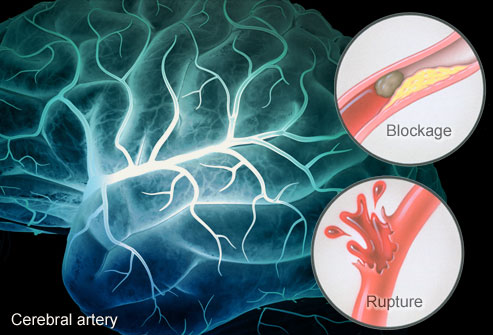
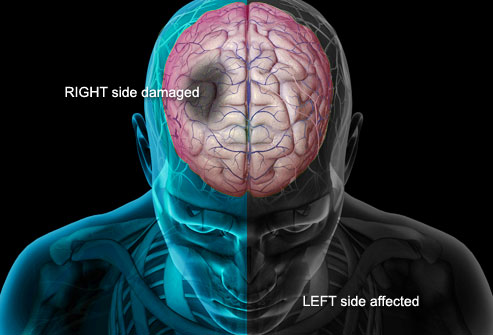
A stroke happens when blood cannot reach part of the brain, either because a vessel is blocked (a clot) or because a blood vessel in the brain bursts. Without quick treatment, the part of the brain starved of blood dies, which can cause disability or even death.
Symptoms of a stroke include:
- Sudden numbness or weakness of the body, especially on one side only.
- A sudden change in vision in one or both eyes, or difficulty swallowing.
- A sudden, severe headache with no known cause.
- Sudden problems walking, dizziness and loss of balance.
- Sudden slurred speech and inability to understand others.
Testing for a stroke
A few simple tests help confirm a stroke:
- Smile and face: does one side of the face droop without moving?
- Arms: can the person raise both arms and hold them up, or is one clearly weak?
- Speech: can they repeat a simple sentence several times without slurring?
- Walking: can they walk without falling?
If the person fails any of these tests, call emergency services. Every minute without oxygen kills nerve cells, so a quick response is essential. Treatment must be given within three hours: the doctor must have finished within three hours, not the patient arrive after three hours.
Diagnosis and treatment
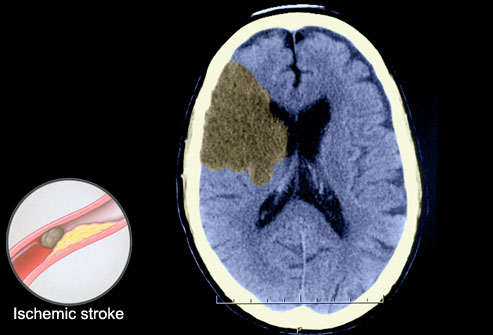
In hospital, doctors scan the patient with CT to find out the cause of the stroke, blockage or bleeding, because the treatments are completely different, and to check for other clots or bleeds.
In 90% of cases the cause is a lack of blood to part of the brain because of a blockage. The clot that blocks the vessel often forms elsewhere in the body. Part of the brain then dies, causing disability depending on where the damage is.
In a brain haemorrhage, fragile blood vessels make intervention difficult, and these cases (10%) are often fatal.
Risk factors
Blood vessel problems are usually caused by obesity, smoking, heavy drinking, diabetes, high blood pressure and high blood cholesterol.
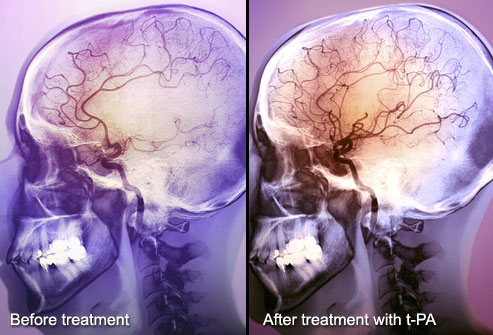
In the emergency department, doctors try to restore normal blood flow. Afterwards the patient undergoes long courses of physiotherapy and speech, walking and movement training.

Like

Love

Angry

Dislike