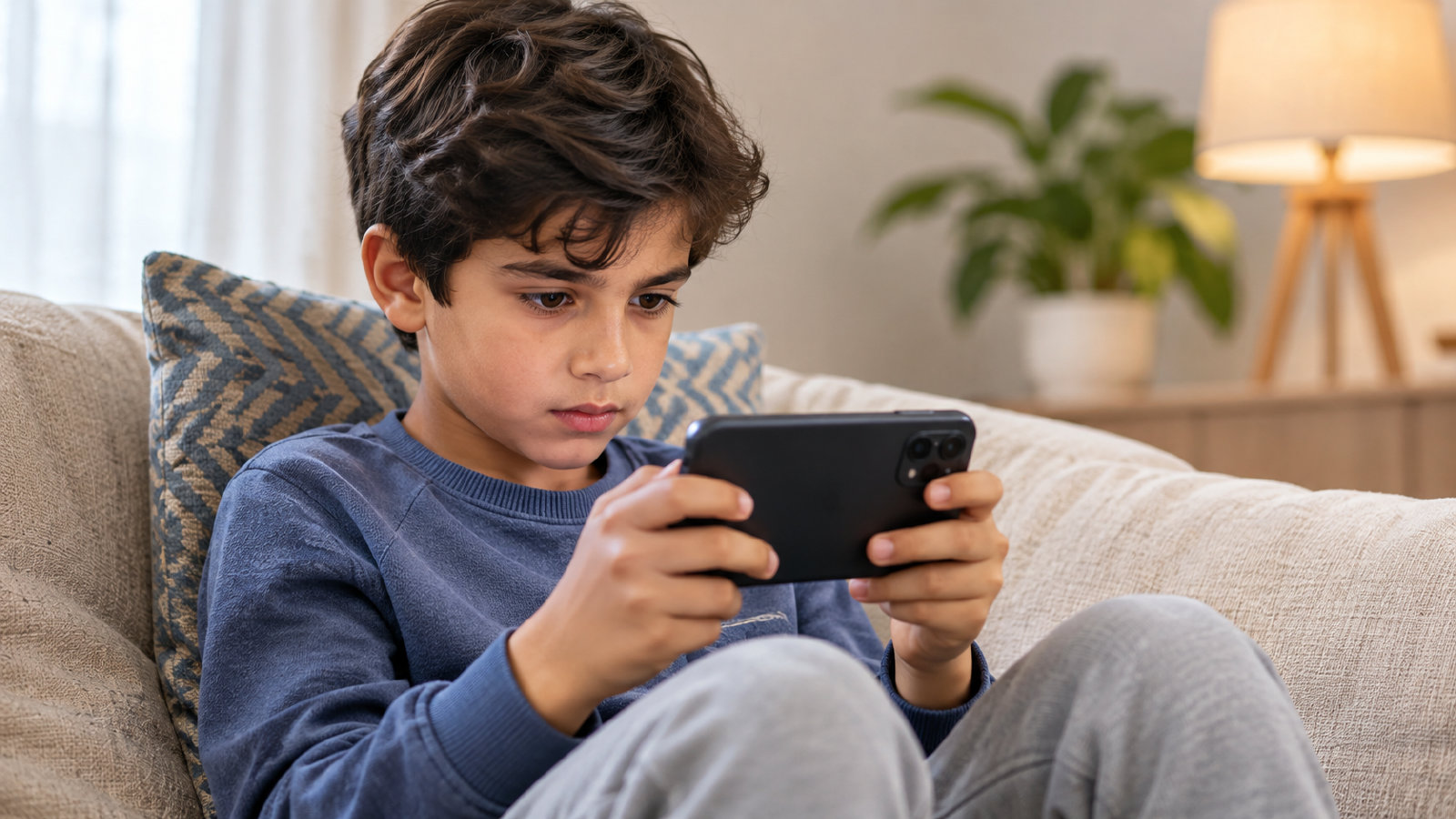
Our children are surrounded by screens and mobile devices, and many parents worry about what this does to their health. We often hear warnings that screen time disturbs sleep and harms children's mental and emotional development. A new study shows that the kind of programmes children watch plays an important role.
Researchers from the University of Georgia in the US reviewed about 30 earlier studies published between 2000 and 2022, in a paper in the Journal of Evidence-Based Social Work. The studies looked at children from birth to nine years old who spend a lot of time in front of screens. The review included 21 studies of preschool and kindergarten children and 7 that followed pupils in the third and fourth grades of primary school.
The results showed that what a child watches plays the main role in shaping their personality. Positive content encourages values such as kindness and empathy, while violent content leads to aggressive behaviour. Some educational programmes, such as Sesame Street, were linked to clear gains in recognising letters and sounds, vocabulary and number skills in preschool children. The benefit grows when parents watch with their child: checking what is on the screen, talking with the child and answering their questions in a way that suits their age.
According to the study, children under eight spend about two hours a day in front of screens, and some more than three. That makes a complete ban on TV and phone screens unrealistic. The review showed that age matters a lot. Very young children learn by exploring, moving and interacting face to face with people, and struggle to learn from screens on their own. Older children, on the other hand, can learn from programmes made for them.

Like

Love

Angry

Dislike