
Winter brings many skin problems, such as dry and itchy skin, that get in the way of daily life. Here are two problems most people suffer from, and what can be done to ease them.
1. Cold, itchy hands and feet in winter
Many people develop inflamed skin on their fingers and toes, with bluish skin and fingers that stay cold all day, and burning and itching, especially at night when they try to warm them or go to bed (a condition known as chilblains). In severe cases the inflamed skin can break into sores, which makes things worse. It comes back every year in cold weather. It most often affects children, people in poor health and those with weak circulation, such as people with anaemia, and women more than men.
Causes: the exact cause is unknown, but in most people affected the small blood vessels in the skin cannot cope with the severe winter cold. Hormone disorders, general weakness, or hidden infections in the body (such as abscesses or chest infections) that release toxins affecting the circulation may also play a part.
Prevention:
- General tonics and vitamins (calcium, vitamins D, C and K, nicotinic acid) to support the circulation.
- Exercise that gets the blood flowing, sunlight and fresh air.
- Plenty of meat and eggs.
- Washing in warm to hot water.
- Treating infections in the body, such as sinus or tooth infections.
- Keeping hands and feet warm with woollen gloves and socks.
2. Dry skin in winter
Dry skin is common in winter because of the severe cold and changes in the weather. The face and hands are most affected and can become so dry that they flake and crack.
Causes: lack of vitamin A, washing too often with soap and water, not drying the skin well after washing, frequent exposure to cold draughts, and poor nutrition, such as special diets that deprive the body of important nutrients.
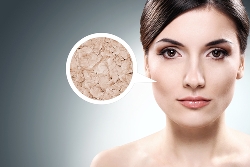
Tips for healthy skin in winter
- Do not overheat the room you sit in: too much heat dries the skin by evaporating its water.
- Eat a balanced diet that includes the vitamins above, found in carrots, spinach, parsley, some fruits, green peppers, cabbage, walnuts and almonds.
- Drink plenty of fluids, at least one and a half litres a day.
- Shower in warm rather than very hot water, and avoid rough loofahs, to keep the skin's natural oils.
- Use rich, nourishing creams in the evening before bed, and use cleansing creams instead of soap and water before applying them.
Almond oil is a natural oil that works well on dry skin. It is rich in proteins, fatty acids and sugars, and it both moisturises and nourishes dry skin while helping to clear away dead cells.
Humidify the air by putting a bowl of hot water in the room so that the steam moistens the air. Masks such as honey and yoghurt help remove dead cells, dust and dirt.
By pharmacist Reem Nour al-Din Ali

Like

Love

Angry

Dislike