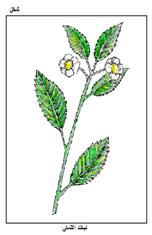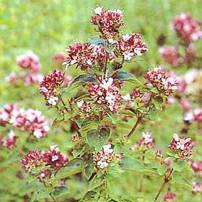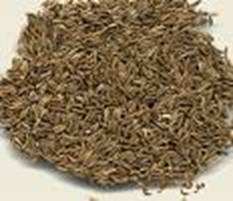
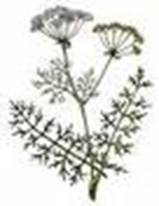
Caraway (Carum carvi) belongs to the carrot family (Umbelliferae). It grows in dry meadows and on roadsides, and is also cultivated. It is a herb 30–100 cm tall with its own distinctive smell and feathery leaves. It flowers in May and June with white, rarely red, flowers, and in July produces small brown seeds that are easily recognised by their smell.
Parts used
The ripe seeds (fruits).
Constituents
A volatile oil containing carvone and limonene, as well as carbohydrates (20–25%) and proteins. It aids digestion, relieves wind and eases colic.
Traditional uses
- External: warm seeds in a small linen bag placed on the abdomen, or massage of the abdomen with caraway oil diluted in olive oil, are used to ease colic, wind and lower abdominal pain. Massage with the oil is also used for rheumatic pain in muscles and joints.
- Internal: an infusion of a teaspoon of seeds to a cup of boiling water, drunk hot (1–2 cups a day), is used for bloating and wind, to prevent colicky cramps, to loosen phlegm and as a mild laxative. Caraway soup, made by cooking plenty of seeds with a little toasted flour in water and straining it, is traditionally given to new mothers to increase breast milk and restore strength.
Caution: caraway as a food spice is safe. Babies under six months should have only breast milk or formula, so don't give them caraway drinks; for older children, ask a doctor first. Never swallow the undiluted essential oil, and see a doctor about persistent abdominal pain.
By Dr Elias Jabbour

Like

Love

Angry

Dislike