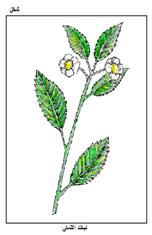
Tea (Camellia sinensis) is a shrub that grows up to about 1.8 m tall in the wild. There are more than 300 varieties, each with its own character, name and reputation: Assam tea is named after the Assam region of India and Keemun after Keemun in China. The soil and climate play the biggest part in giving tea its flavour and qualities.
The young shoots are picked by hand after each flush of growth, and tea is grouped into four types by how it is processed:
- Black tea: the best known and most widely drunk. The leaves are withered, fully oxidised and dried, which turns them black.
- Green tea: not oxidised; the leaves are withered and dried. It has a smooth, mild taste and a golden-green colour.
- Oolong tea: common in China. The leaves are withered, half-oxidised and dried, between black and green tea in colour and taste.
- White tea: rare, originally from Fujian province in China. The leaves are withered and dried without being rolled or oxidised, and it is known as the champagne of teas.
What tea contains
Essential oils give tea its pleasant aroma, caffeine stimulates the nervous system, and polyphenols act as antioxidants. A few facts: a tea picker can pick about 70 pounds of leaves a day; a tea bush can keep producing for 50 years; and one pound of tea makes about 180 cups. In the sixth century tea was used for headaches, kidney complaints, indigestion, ulcers and sluggishness.
Tea tasting
- Aroma: the fragrance of the brewed tea.
- Astringency: the drying taste caused by polyphenols reacting with proteins in saliva.
- Body: how light or heavy the tea feels in the mouth.
- Muscatel: a fruity flavour typical of teas from Darjeeling, a mountainous region of India with gentle rain.
- Thick: a tea with plenty of colour and substance but without sharpness.
Health benefits
Tea may help protect against heart disease, and against some of the damage caused by smoking. In some studies, drinking tea daily lowered LDL ("bad") cholesterol by about 11% and total cholesterol by about 6.5%, possibly partly by reducing cholesterol absorption from the gut. In smokers, drinking black tea (with or without caffeine) reduced DNA damage by about 31% compared with no tea, which may be due to its polyphenols. Decaffeination removes some of the flavonoids.
Tea is a pleasant, healthy drink in moderation, but the best way to protect yourself from smoking damage is to stop smoking. Strong tea with meals reduces iron absorption, so people with anaemia should drink it between meals.
By Dr Elias Jabbour

Like

Love

Angry

Dislike