The US Food and Drug Administration (FDA) has warned that the psoriasis drug Raptiva (efalizumab) can cause a severe, possibly fatal brain infection.
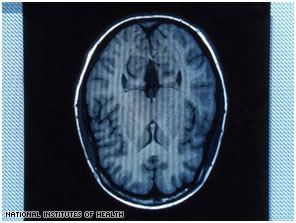
The agency has confirmed three cases, and a possible fourth, of progressive multifocal leukoencephalopathy (PML) in patients treated with Raptiva. Three of these patients have died. All four had taken the drug for more than three years, and none had taken other drugs that suppress the immune system.
In October 2008 the FDA asked for the drug's label to carry a boxed warning about the risk of life-threatening infections, including PML, and asked the maker, Genentech, to run a programme to inform patients and doctors about the drug's risks.
In a statement on Tuesday, the FDA said it would take "appropriate steps" to make sure the risks don't outweigh the benefits, that patients know the symptoms of PML well, and that health professionals monitor patients for them.
The European Medicines Agency went further, recommending that no new prescriptions be written and that patients see their doctors to find an alternative, because "the benefits of the medicine no longer outweigh its risks". It also asked for everyone taking the drug to be watched for nerve symptoms or infections, and advised patients not to stop the drug on their own but to discuss it with their doctor.
Raptiva is given as a weekly injection for moderate to severe psoriasis. It suppresses T cells, part of the immune system that drives the skin inflammation of psoriasis, but this suppression raises the risk of bacterial and viral infections.
PML progresses slowly over months, and 80% of patients die within the first six months. Some people have recovered, but with severe nerve disabilities.
About 6 to 7 million Americans have psoriasis, according to the Centers for Disease Control and Prevention.
Update: Raptiva was withdrawn from the market in the US and Europe in 2009.

Like

Love

Angry

Dislike