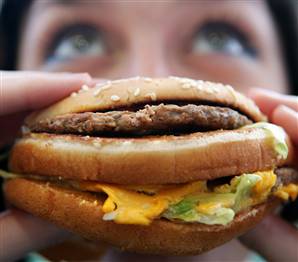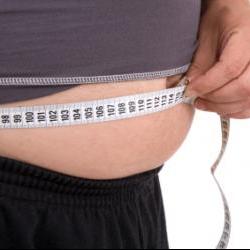
A study in California found that severely obese people made up a quarter of hospital admissions for complications of H1N1 flu, although they are less than 5% of the population.
Obesity seems to be as big a risk factor as pregnancy for complications of pandemic H1N1 flu, according to the most thorough look so far at swine flu cases. The five- to six-fold increase in risk is similar to that seen in pregnant women, according to the report published today in the Journal of the American Medical Association (JAMA). Obesity and severe obesity together affect 34% of Americans, yet they accounted for 58% of the hospital admissions in the study.
"It makes sense and is intuitive," says Dr Thomas Frieden, director of the Centers for Disease Control and Prevention (CDC), noting that obese people have a higher risk of many diseases and a shorter life expectancy. "It should be added as one of the underlying conditions."
The CDC considers adults obese with a body mass index (BMI) of 30 or more, and severely obese with a BMI of 40 or more. A person 152 cm tall is obese from about 70 kg and severely obese from about 92 kg.
The researchers said obese people may be at greater risk of complications from infection, but it wasn't clear whether this was due to obesity itself or to the risk factors linked with it.
In the JAMA study, researchers at the state's Department of Public Health analysed 1,088 flu-related hospitalisations in California from the start of the outbreak in spring to 11 August, and identified 268 adults whose BMI was known. Of these, 156 were obese, 67 of them severely obese. Forty-six of the obese adults died, according to the study. In addition, 19% of the children aged 2 to 17 in hospital with swine flu were obese, with a BMI above the 95th percentile for their age; none of them died.
Two thirds of the obese patients had a health problem already known to be a risk factor for swine flu, most commonly chronic lung disease, heart disease and diabetes. "But a third of the obese patients had no other risk factors," says Dr Janice Louie, the study's lead author and chief of the influenza and respiratory diseases section at the state health department.
Some of the reasons are physical. The lungs of obese patients are squeezed because the belly pushes the diaphragm up, and the chest is heavier, so it's harder for the lungs to stay inflated. "All this makes it harder for blood and oxygen to move through the lungs and fight infection," says Dr Lena Napolitano, chief of surgical critical care at the University of Michigan Health System. She recently reported on 10 swine flu patients admitted to intensive care there: nine were obese, seven of them severely.
The immune system of obese people may also play a part, says Dr David Heber, director of the risk factor obesity programme at UCLA's David Geffen School of Medicine. Scientists believe obese people have a baseline level of inflammation that reduces the body's ability to fight disease.
Studies in obese mice help explain why. Researchers at the University of North Carolina at Chapel Hill found that 42% of obese mice died when infected with a human strain of flu, while the same virus killed only 5% of lean mice. The lungs of the obese mice failed to release two key immune messengers (cytokines) that fight viruses, and there were fewer natural killer cells and T cells, two important parts of the immune system, says immunologist Patricia Sheridan. These results raise questions about whether flu vaccines help the immune system enough to protect obese people.
The JAMA study also found:
- More than a third of patients had nausea or vomiting, and a fifth had diarrhoea. These digestive symptoms are seen in fewer than 5% of people in hospital with seasonal flu.
- Common rapid flu tests gave a negative result at first in 34% of cases, an unexpectedly high rate.
"Since 11 August, nearly 3,000 Californians have been hospitalised with swine flu, and 131 have died," Louie says.

Like

Love

Angry

Dislike