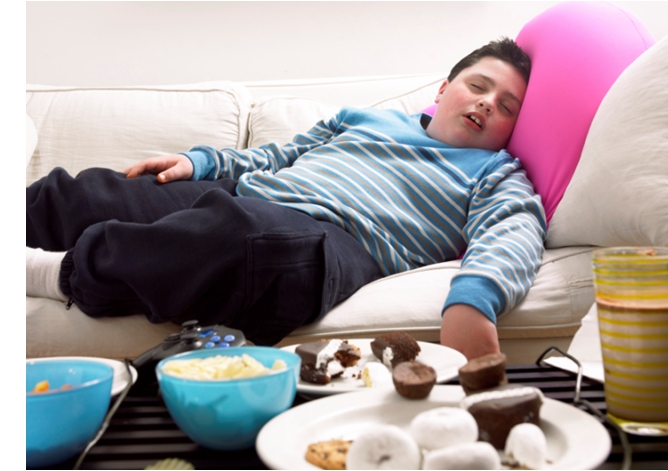
Depriving your body of sleep also deprives your figure of its slimness. For your waistline, good sleep is no less important than a strict diet and exercise, or so researchers at the Mayo Clinic have confirmed.
Most recommendations from specialist centres say adults should sleep between 7.5 and 9 hours a night, something only the lucky manage these days. The same centres stress that it varies from person to person: some people feel fully refreshed after just six hours, while others sleep eight hours and still feel drowsy all day.
The experiment lasted eight nights and involved healthy people split into two groups. One group slept normally and enough, while the other slept a third less. Everyone could eat as much as they liked.
The researchers found that the group that slept less (1 hour 20 minutes less than the other group) ate more than 500 extra calories a day, which makes lack of sleep a risk factor for obesity in the long run.
The researchers, working with the US National Institutes of Health and the Minnesota Obesity Center, noted that both groups used the same amount of energy in their daily activities. This rules out the idea that people who sleep less burn extra calories because they are awake longer.
"We checked whether lack of sleep affects the levels of hormones such as leptin and ghrelin," says the study's author, Dr Virend Somers. These hormones play a big role in controlling appetite. Leptin and ghrelin levels did rise noticeably in the sleep-deprived group, but the researchers could not tell whether this rise caused the weight gain or the other way round.
Other researchers who were not involved in the study offer a different explanation: "Humans may have long had a trait that makes the body store fat in summer, the season of short nights and plenty of food, to prepare for long, hard winter nights. Short sleep may therefore prompt the body to eat more and store fat."
A similar study at Columbia University some years ago found that people who sleep five hours a night are 73% more likely to become obese than those who sleep seven to nine hours.
Sleep may be a key to solving obesity. Still, the researchers acknowledge that their study was small and carried out in a hospital research unit, and they stress that future studies should be done in participants' homes to confirm (or refute) their findings.

Like

Love

Angry

Dislike