Most people read "fat-free" as "good for you". In fact this is a misjudgement, because we hear so much about the benefits of cutting fat for weight loss and health.
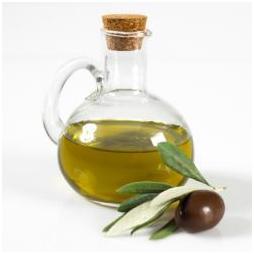
Cutting fat out of your diet does not make you lose weight, and cutting it for a long time does the body more harm than good. The body needs fat to work properly: fat is important for absorbing nutrients and protecting vital organs. What matters is the type of fat. Scientists and nutritionists agree that fat should make up about 30% of an adult's diet, and that it should be good (unsaturated) fat, such as olive oil and grape seed oil, preferably raw rather than fried.
A new study at the University of California has shown that these fats are absorbed in the small intestine and turned into substances that improve brain function, especially in the part linked to emotional memory. The study also showed that a substance in these oils, oleic acid, reduces appetite and helps lower weight, cholesterol and blood triglycerides.
The study, in rats, compared their ability to remember where fat-rich meals were to be found, a simple ability that has developed in humans but is thought to rely on the same nutritional needs. The scientists hope their experiments will help treat memory problems such as Alzheimer's disease.
Drugs that mimic the action of unsaturated fats in the brain are being tested to help patients with poor memory, without adding calories, and so without causing weight gain or raising blood fats.

Like

Love

Angry

Dislike