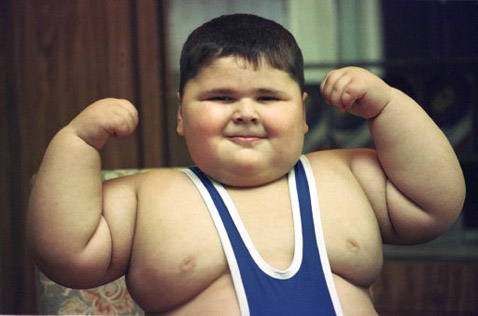
A study has found that eating more fatty food during pregnancy is linked to more obesity in children. Animal studies have shown that a high-fat, high-sugar diet in pregnancy increases oxidative stress (a build-up of free radicals), raising the offspring's risk of obesity and diabetes after birth. This study showed that giving the animals antioxidants before and during pregnancy reduced the risk of obesity and glucose intolerance in their offspring.
If studies show the same results in humans, scientists will have found a way to reduce childhood obesity. There is an important period during a baby's development in the womb that affects whether it later becomes obese. If we can reduce inflammation and oxidative stress in pregnant women, we may be able to reduce the child's risk of obesity later in life.
Oxidative stress is a state in which there are more highly reactive oxygen-containing molecules (such as free radicals and other chemicals) than the body can handle without biological damage to cells. Obesity is known to be linked to oxidative stress, especially when that stress causes inflammation, and obesity creates an abnormal metabolic environment during pregnancy.
The study suggests that a high-fat diet increases oxidative stress in pregnancy and raises the rate of obesity in offspring. It also tested whether a diet rich in antioxidants would protect the offspring.
The animals were split into two groups: one was fed a diet high in fat and carbohydrates, the other a more balanced diet. Antioxidants were added to the diet of animals in both groups.
The offspring of the high-fat, high-carbohydrate group were more prone to oxidative stress, obesity and glucose intolerance. But when antioxidants were added to the diet, obesity and glucose intolerance in the offspring fell, even in the high-fat group, and these effects lasted through the first two months of life.
The study suggests that reducing oxidative stress, inflammation and obesity in mothers helps prevent obesity and many health problems in their children. More research is needed to understand how oxidation or inflammation affects fat tissue, and animal results cannot be applied to humans before clinical studies. But whether or not they are pregnant, women would do well to get enough antioxidants, especially antioxidant vitamins.

Like

Love

Angry

Dislike