Latin name: Malus sylvestris, of the rose family (Rosaceae)
The plant
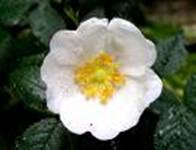
The apple tree is deciduous, with simple clusters of flowers. It is grown widely in temperate regions around the world, and more than 1,000 varieties are known.
History
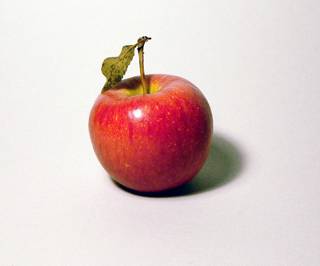
The apple has long been valued as food. Folk medicine has used it for cancer, diabetes, dysentery, fever, heart disease, scurvy and warts, and it was said to help clean the teeth. The juice is drunk fresh or fermented into cider and apple brandy, and apple wood is a good firewood.
What it contains
The bark, leaves and roots contain an antibacterial substance, phloretin, active at low concentrations in the lab. The seeds contain a cyanide-releasing compound (amygdalin). The fruit contains pectin, as well as aromatic substances that may be beneficial, such as tannins, quercetin, alpha-farnesene, shikimic acid and chlorogenic acid.
Medical uses
Apple is commonly used both to relieve constipation and to control diarrhoea. Both effects seem to come from its pectin, which absorbs water in the gut to form a gel: this makes stools bulkier and softer in constipation, or firmer in diarrhoea. Phloretin is active against several types of bacteria, and extracts of some apple varieties have shown activity against cholera in the lab.
Toxicity
Because of the cyanide compound, apple seeds should not be eaten in large amounts. A few are harmless, but large amounts are poisonous: one report describes a man who died after eating a whole cup of apple seeds. As the compound takes time to break down in the stomach, symptoms of poisoning may not appear for several hours.
Reference: The Review of Natural Products, 2004.

Like

Love

Angry

Dislike