This year an estimated 1.47 million Americans will be diagnosed with cancer, and more than 562,000 will die of it. Two main groups of factors affect cancer: genetic and environmental.
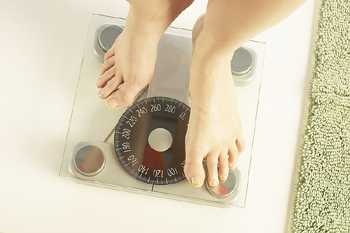
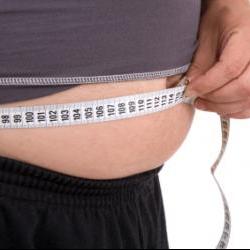
Genetic factors, such as inherited gene mutations, come from our parents and account for about 5% of all cancers. Environmental factors include tobacco, some infections, some medical treatments, too much sun, and exposure to known carcinogens (cancer-causing substances) as pollutants in air, food, water and soil; they are estimated to account for 75 to 80% of cancer cases and deaths. Obesity is another environmental factor clearly linked with a higher cancer risk, and it causes more than 100,000 cancers in the US every year, according to a recent study by researchers at the American Institute for Cancer Research (AICR).
Using findings from the AICR and the World Cancer Research Fund and the latest US data in a report published earlier this year, researchers were able to calculate the exact share of certain cancers caused by excess body fat. Keeping a healthy weight could prevent 49% of cancers of the lining of the womb (20,700 cases), 35% of oesophageal cancers (5,800 cases), 28% of pancreatic cancers (11,900), 24% of kidney cancers (13,900), 21% of gallbladder cancers (2,000), 17% of breast cancers (33,000) and 9% of colon cancers (13,200). "This is the first time we've put real, measurable numbers on obesity-related cancers," said the AICR's director of education.
"We know that excess body fat plays a central role in many of the most common cancers," says Dr Laurence Kolonel, deputy director of the Cancer Research Center of Hawaii and a member of the AICR/WCRF expert panel. Fat tissue makes hormones that help cancer cells grow: fat cells produce oestrogen, for example, a known factor in breast and womb cancer. Studies have also shown that excess weight weakens the immune system. Obesity doesn't just raise the risk of cancer, Kolonel says: it makes treatment harder and hurts survival.
Dr Michael Thun, vice president emeritus of the American Cancer Society, says the new research "helps establish the size of the problem, but doesn't suggest possible solutions". People worried about this should try to balance the calories they take in each day with those they burn.
In 2006 the American Cancer Society published its latest guidelines on nutrition and physical activity, stressing the importance of weight control, exercise and eating patterns in lowering cancer risk. Because the social environment strongly shapes diet and activity, the guidelines include a clear call for communities to offer healthy food choices and chances to be active in schools, workplaces and neighbourhoods.
Today nearly a third of Americans have a body mass index (BMI) of 25 to 30, which puts them in the overweight group, and more than 26% are obese, with a BMI of 30 or more. BMI is weight in kilograms divided by the square of height in metres: a person 152 cm tall, for example, is obese from about 70 kg.

Like

Love

Angry

Dislike