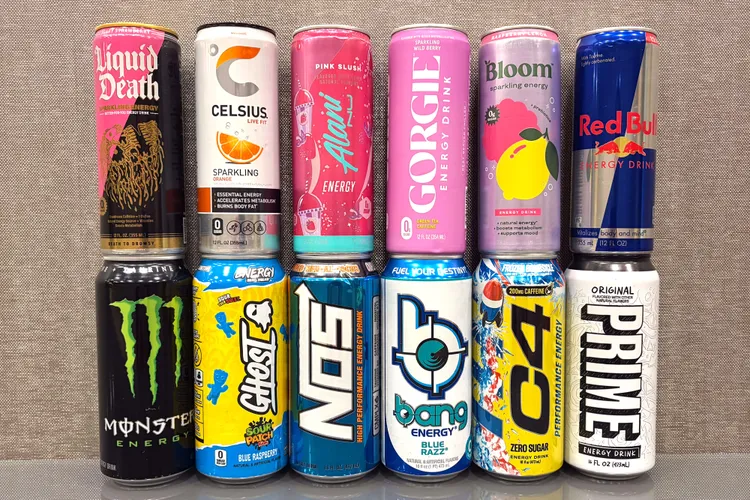
Energy drinks have long been a source of debate in medical circles because of their possible risks. Many doctors worry about young people drinking too much of them, because they contain huge amounts of caffeine as well as a number of other stimulants. Health reports have shown a link between drinking them and risks to the heart and blood vessels. These risks included cardiac arrest (the heart suddenly stopping) and heart attacks, especially among young people and adults aged 18 to 34. Many of these young people had no known risk factors for heart disease.
Researchers from the University of California presented an independent study at the American Heart Association’s Scientific Sessions 2026, held in Chicago in the United States. The researchers examined 28,345 health reports recorded by the US Food and Drug Administration (FDA) between 2017 and 2025. Of these, 854 reports were linked to energy drinks containing caffeine, or to stimulant supplements such as methylxanthines and sympathomimetics. The researchers did not focus on commercial brands but on the chemicals in the drinks.
According to a 2026 scientific statement from the American Heart Association on caffeine and cardiovascular disease, drinking up to 400 milligrams of caffeine a day (about five cups of ordinary black coffee) is generally considered safe for most adults. Some energy drinks contain three times as much caffeine as regular American coffee. Some supplements taken before exercise contain more than 12 times as much per fluid ounce. The FDA classes energy drinks and stimulant supplements as foods or dietary supplements, so these products do not go through the strict safety testing normally required for medicines before they reach the shops. They are marketed as a way to boost everyday energy and are displayed next to fizzy drinks and bottled water. So most people assume they carry no health risks. Their sales passed 20 billion dollars in 2024.
For many healthy people, the risk may be small if these products are consumed only now and then. But people who drink energy drinks can quickly go over the recommended daily limit for caffeine. It is important for people to know that these products may carry risks that harm the heart and blood vessels.
Source:
https://newsroom.heart.org/news/energy-drinks-stimulant-products-linked-to-cardiac-arrest-heart-attack-in-young-adults

Like

Love

Angry

Dislike